Top export destinations include China (responsible for 42 percent of the countrys tobacco exports), South Africa, Belgium, United Arab Emirates, and Indonesia.[7] Economic Context The Zimbabwean Ministry of Agriculture reports that agriculture provides livelihoods to 80 percent of the countrys 15.6 million people, accounting for 14 to 18.5 percent of the Gross Domestic Product (GDP) and 33 percent of foreign earnings.[8] Poverty in Zimbabwe is widespread, particularly in rural areas.[9] In 2011, the last year for which data is available, nearly three-quarters of the population lived below the national poverty line, and more than one in five Zimbabweans survived on less than $1.90 per day.[10] Major droughts in 2015 and 2016 reduced agricultural output and exacerbated rural poverty.[11] A cash shortage in recent years has crippled the economy, leading the Central Bank to impose limits on cash withdrawals and to introduce bond notesa form of local currencytriggering widespread fears of inflation and further economic deterioration.[12] At the start of the tobacco sales season in 2017, government officials praised tobacco farmers, calling them heroes, and projected that tobacco sales could boost Zimbabwes troubled economy.[13] However, tobacco sales and earnings in 2017 fell short of government projections, likely due to excessive rainfall.[14] Land Reform The controversial fast track land reform program, introduced in 2000 by the ruling Zimbabwe African National Union-Patriotic Front (ZANU-PF), radically altered the nature of tobacco production in the country.[15] Under the program, the government announced it would seize thousands of large-scale commercial farms owned by white farmers and redistribute plots of land to landless black Zimbabweans

The statement read in part, "Repealing Denver's flavored tobacco ban means more kids will get addicted, more people will get sick, and more people will die
You have these receptors saying more, more, more,' Hollenback continued
order: 100 pieces 150 sold Dongguan Verena Jewelry Smart Mfg Co., Ltd
Since 2021, some regions have introduced digital supervision, denying renewal for retail points around primary and secondary schools or those failing to meet safety factors, and identifying abnormal license situations through data sharing
This project was completed on a fast track accelerated delivery basis in 15 months and value-engineered in order to meet budgetary constraints





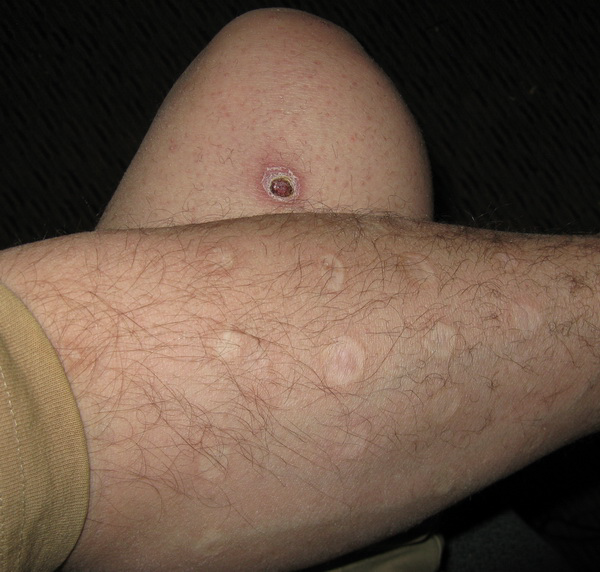
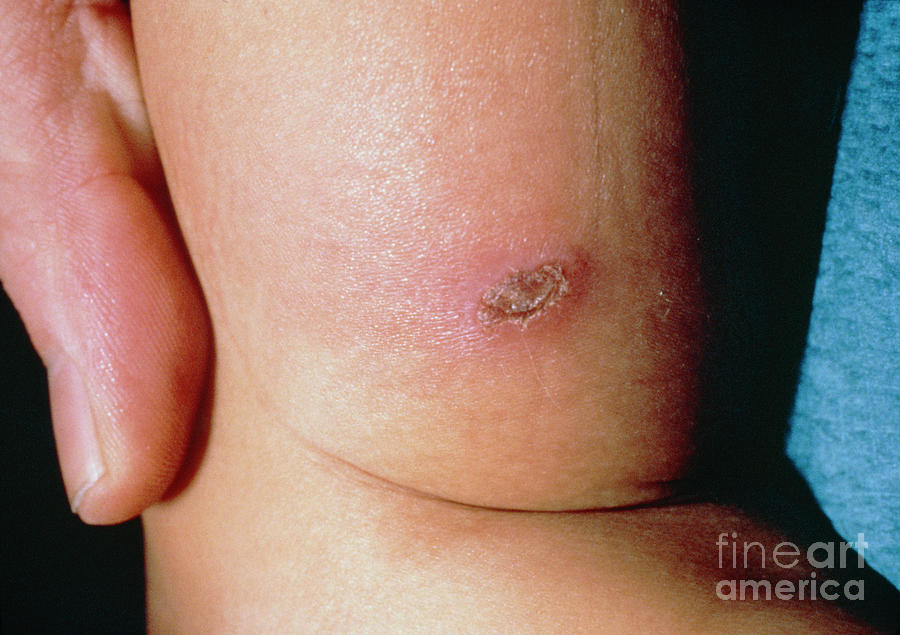
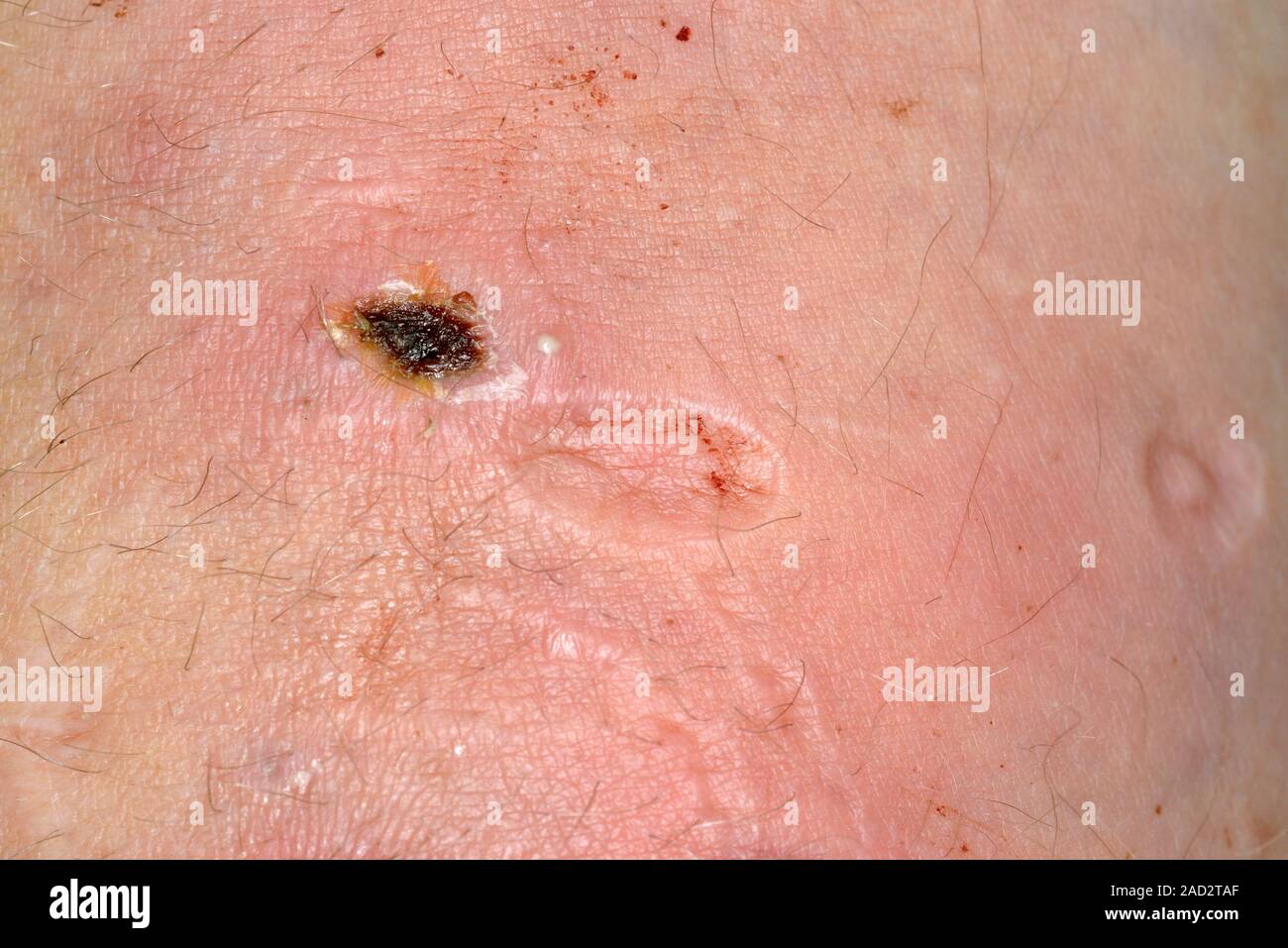
![skin concern] so I got burned with a cigarette.. is this healing badly? What can I do to help speed up the process? : r/SkincareAddiction](https://i.redd.it/ys14i18w5lo11.jpg)