Many people may also prevent future acid reflux flares by changing their diet and exercise routine, reducing stress, and avoiding food triggers, like spicy foods or citrus fruits
for its cigarette tax of $3.04 per pack (enacted January 2018), compared to the national average of $1.91
They can include: Metals, such as nickel, zinc, copper, or iron Cigarette smoke Soap and body wash Household cleaners, such as laundry detergent or bleach Fragrances Clothes made of wool or polyester Antibacterial ointment Formaldehyde, a chemical found in glue and disinfectants Cocamidopropyl betaine, found in lotions and shampoos Paraphenylenediamine, found in leather dyes and temporary tattoos Juices from fresh fruits, vegetables, or meats (when you touch them) Food allergens, such as meats and vegetables Stress
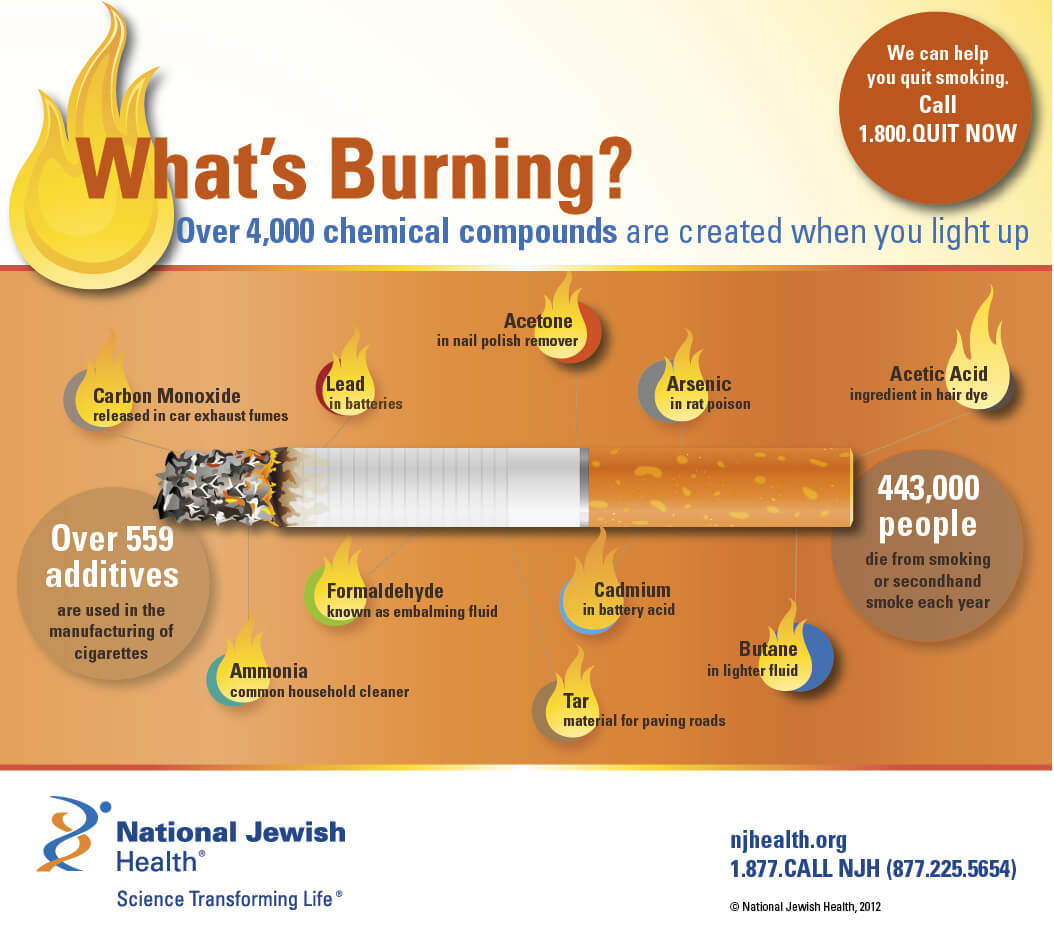
Food and Drug Administration (FDA) announced the addition of 18 new substances to its official list of Harmful and Potentially Harmful Constituents (HPHCs) found in tobacco and nicotine products
As mentioned previously, vitamins were not discovered until the early twentieth century, and even carbohydrates, protein, and fat (as subcomponents of food with differing nutritional effects) were unknown concepts
However, with new technology comes a whole new set of problems that users may not be aware of