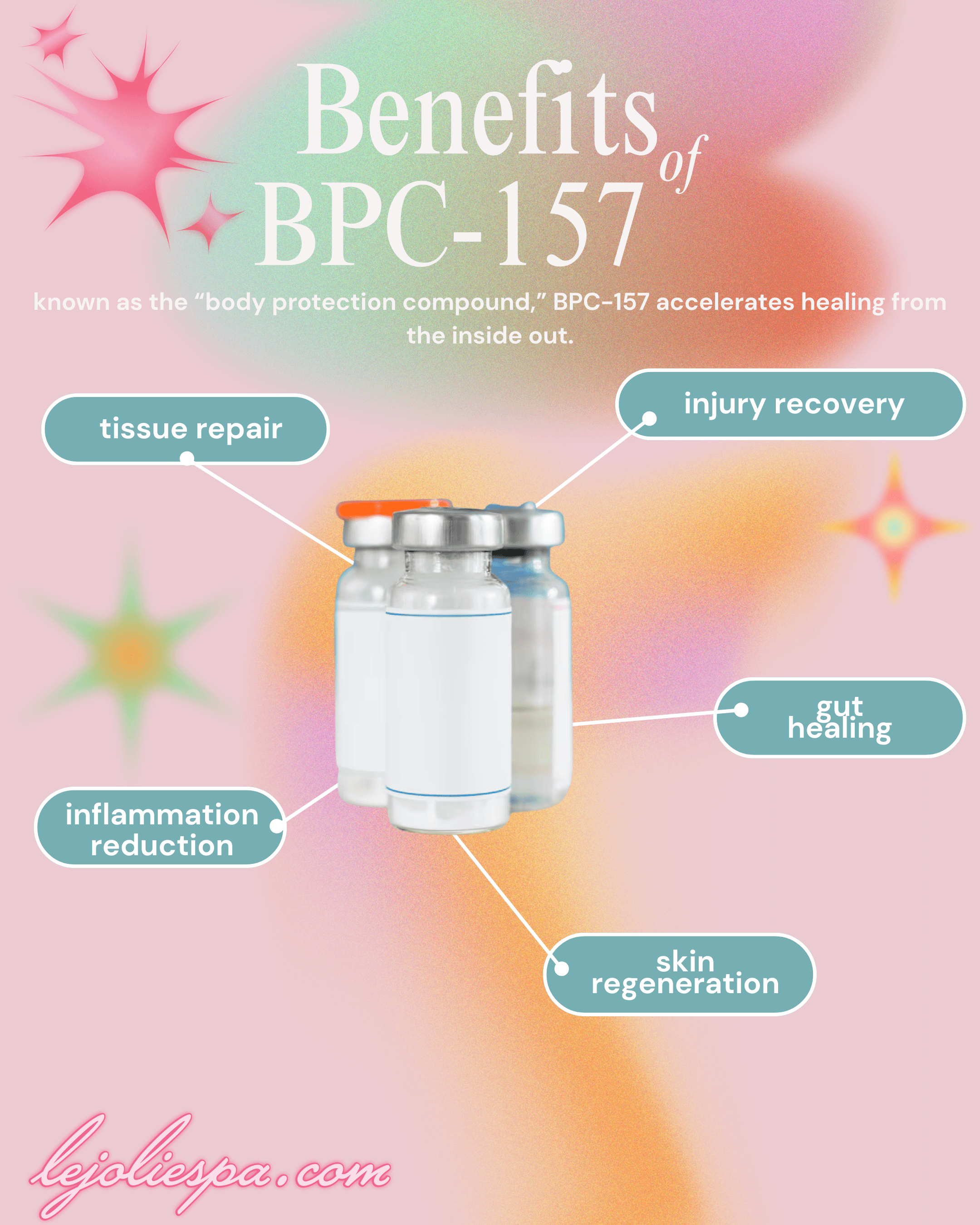
Oral administration has demonstrated protective effects in rodent gastrointestinal models
Investigations assess its potential effects on cuprizone-associated demyelination, traumatic brain injury, neurotoxin-induced dopaminergic disruption, neurotransmitter regulation, and peripheral or central nerve regeneration
While bioavailability questions remain incompletely answered, the formulation selection demonstrates attention to scientific considerations rather than arbitrary product development
The musculoskeletal side effects include muscle pain, muscle weakness, cramps and swelling in extremities including hands, arms, ankles, feet and/or lower legs
Also supports the formation of fatty acids and glucose which is used to fuel the body
What stands out most is not simply cartilage regrowth, but the mechanism: targeting an age-associated enzyme (15-PGDH) to reprogram existing chondrocytes toward a younger, regenerative statewithout stem cells