Early clinical research in the 1980s showed that DSIP injections helped some patients with chronic insomnia fall asleep faster and improved sleep architecture
The two types of pancreatitis are acute (sudden and short-term) and chronic (long-term and recurring)

Hormonal treatment options include: Combined oral contraceptives : Continuous or cyclic regimens can reduce menstrual flow and suppress endometrial tissue activity Progestins : Available as oral medications, injections (depot medroxyprogesterone acetate), intrauterine devices (levonorgestrel-releasing IUD), or implants GnRH agonists : These medications induce a temporary menopausal state, effectively suppressing endometriosis but requiring add-back hormone therapy to minimize bone loss and vasomotor symptoms GnRH antagonists : FDA-approved oral options include elagolix (Orilissa) and relugolix/estradiol/norethindrone (Myfembree) with specific duration limits based on dosing and bone health considerations Aromatase inhibitors : Sometimes used in refractory cases, though not FDA-approved for this indication Bone mineral density monitoring is recommended for patients on long-term GnRH agonists or antagonists, particularly at higher doses or extended durations
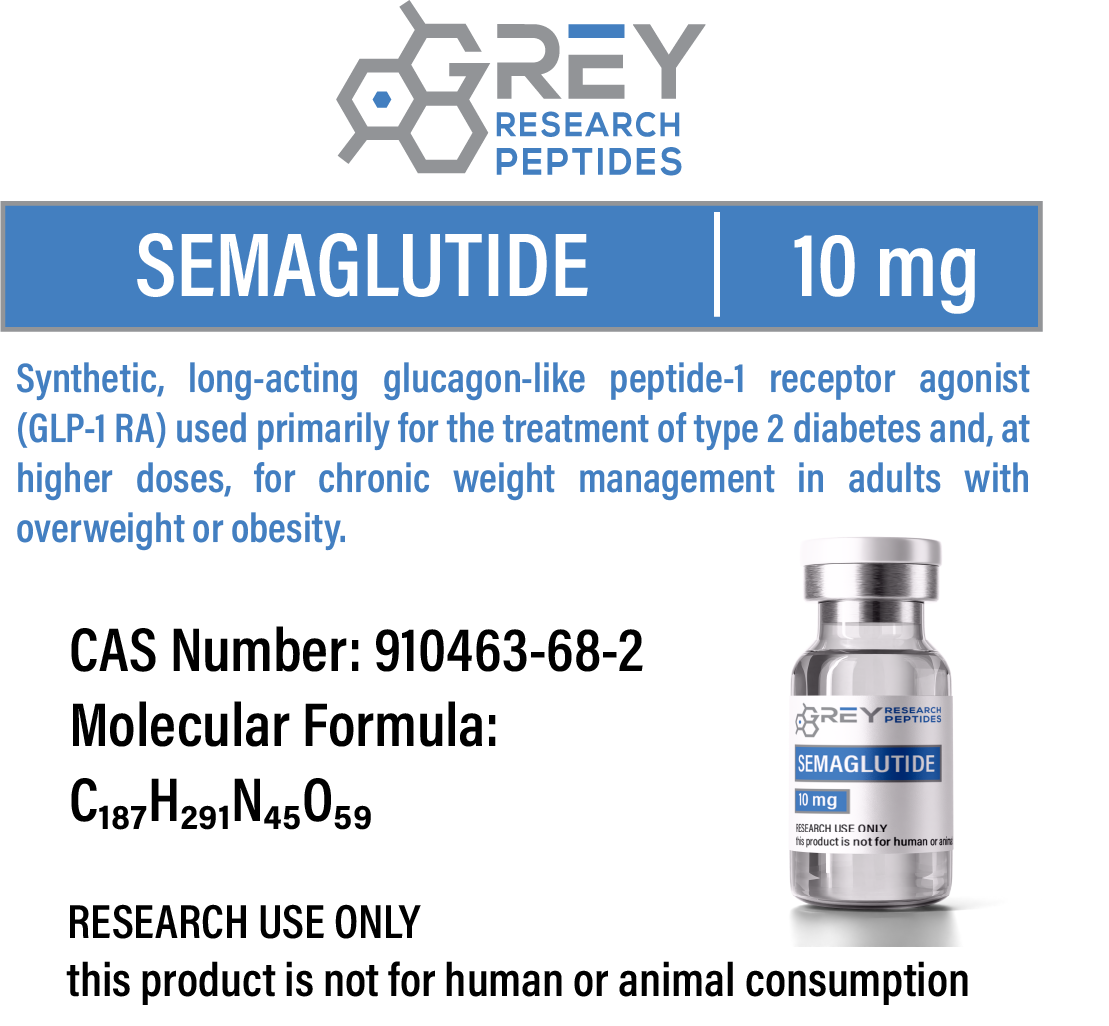
Coadministration of cagrilintide and semaglutide (CagriSema) at 2.4 mg each, once weekly, provides substantial benefits for patients with overweight, obesity, or T2DM
The most common side effects are usually gastrointestinal, especially during dose increases
CaCo-2 cells were cultured in Eagles Minimum Essential Medium (EMEM, P04-08056, PAN Biotech) supplemented with 10% FBS
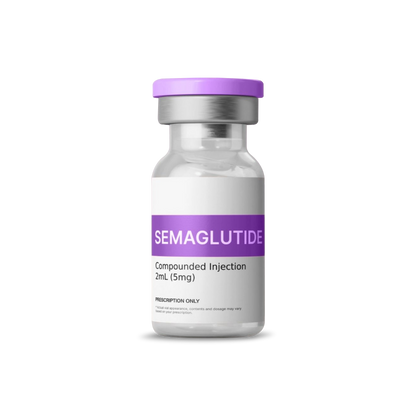


![semaglutide digestive blockage lawsuit in kentucky glp-1 gastrointestinal obstruction legal team Zepbound [2026] kentucky semaglutide gi obstruction law –](https://lookaside.instagram.com/seo/google_widget/crawler/?media_id=3924556107225051659)