Cho, H.-J
Research Context Multi-peptide blends at elevated doses are studied for several distinct research purposes: Dose-response research Higher-concentration blends allow researchers to construct dose-response curves across a wider concentration range within the same compound supply Extended protocol studies A single high-dose vial reduces reconstitution frequency in longitudinal research protocols requiring consistent compound ratios over extended timeframes Multi-pathway synergy investigation The inclusion of BPC-157, TB-500, and additional compounds allows researchers to study potential interactions across multiple repair and regenerative signalling pathways simultaneously Comparative dosing studies Comparing outcomes between standard-dose individual compounds (e.g., BPC-157 + TB-500 20mg) and higher-concentration blends in matched tissue models Product Specifications Key Questions How does KLOW differ from the BPC-157 + TB-500 blend
doi: 10.1158/2326-6066.CIR-16-0193 104 NewtonRPriyadharshiniBTurkaLA
If theres anything we missed or if you need more help, dont hesitate to give us a call or send us an email were here to help!
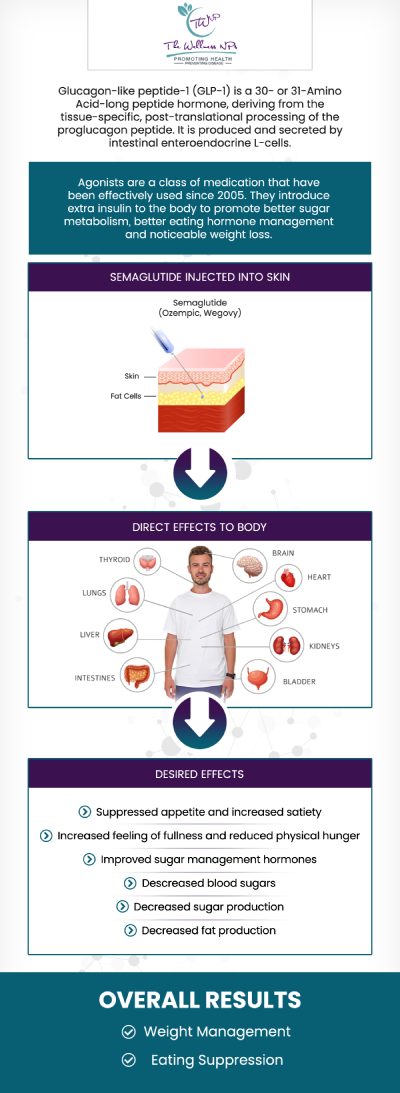
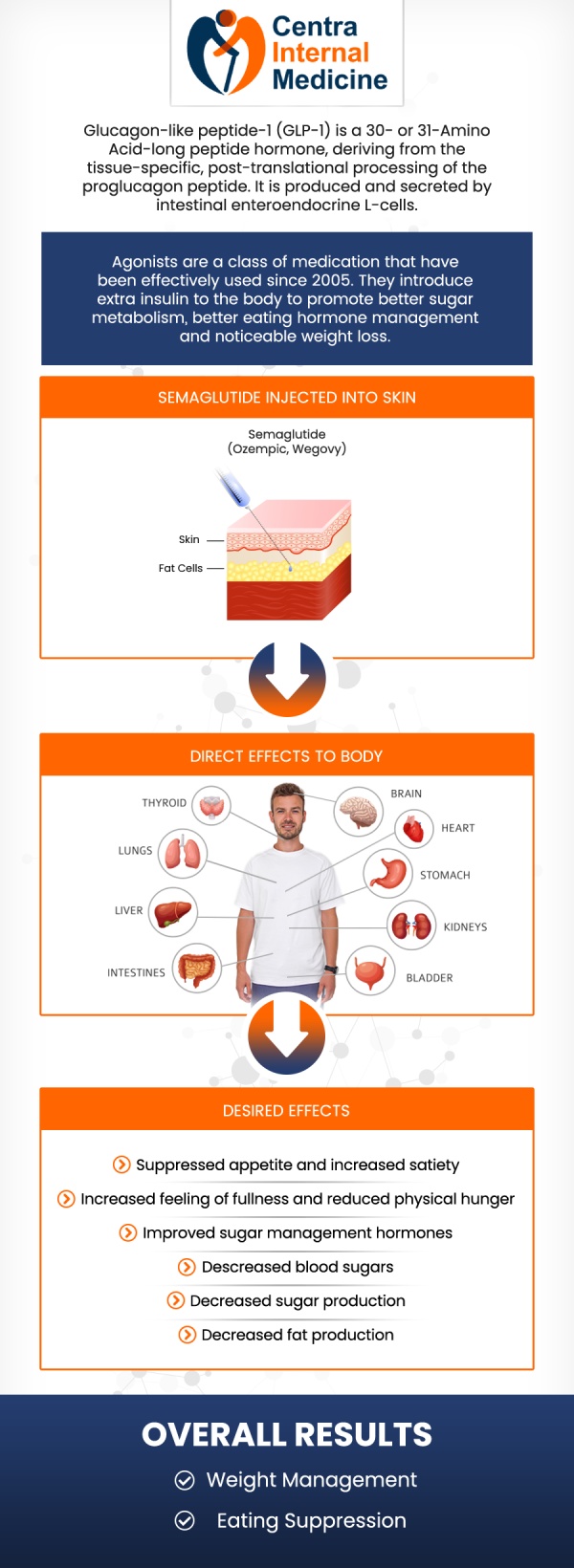
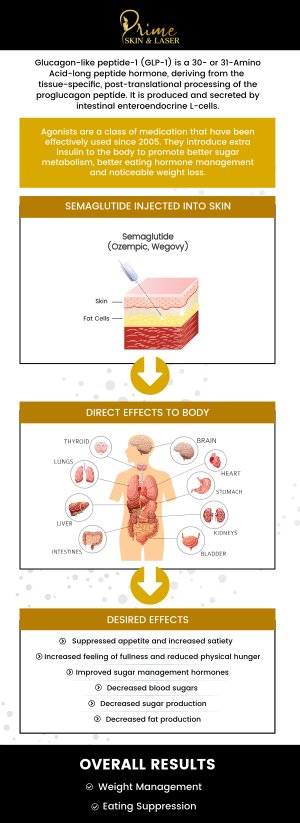
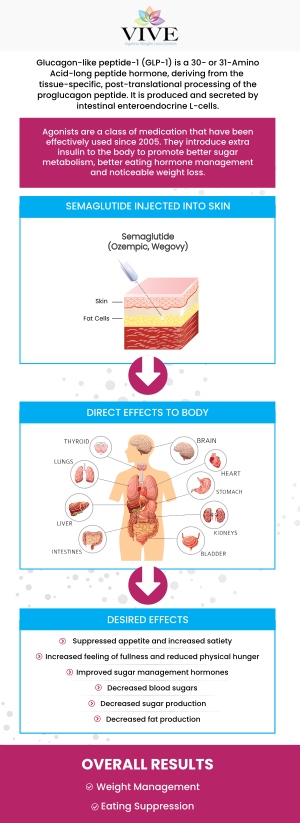
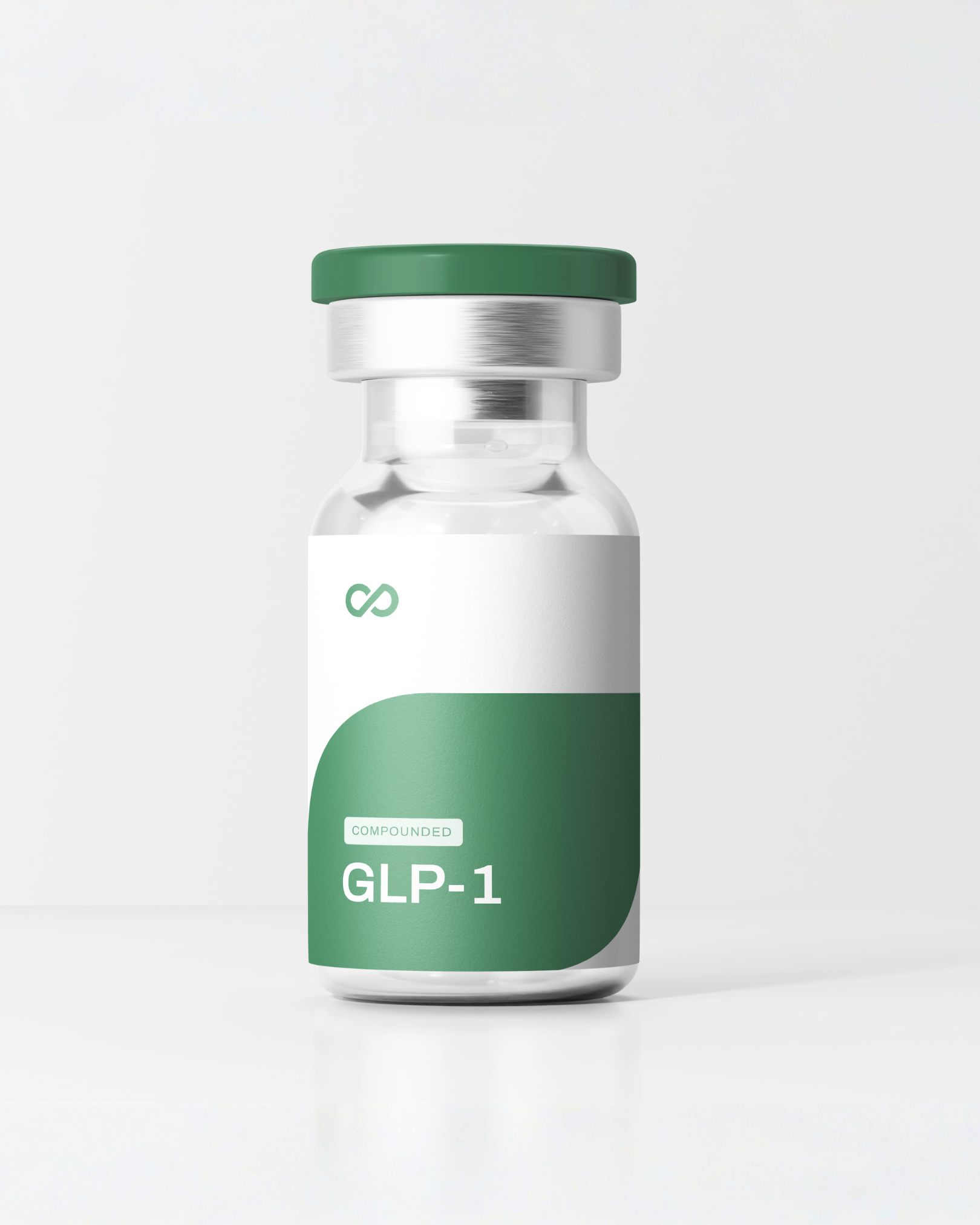
Among them, GLP-1 and GIP (gastric inhibitory polypeptide) are known as incretins, gut-derived hormones that enhance glucose-dependent insulin secretion, playing a pivotal role in maintaining glucose homeostasis and serve as important therapeutic targets for type 2 diabetes and obesity
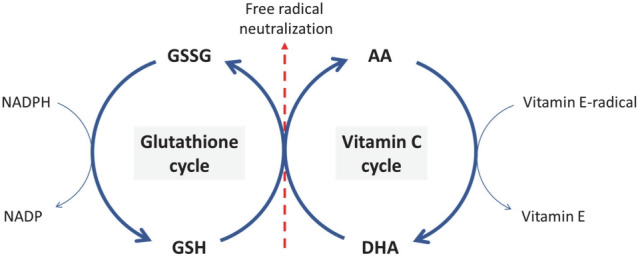
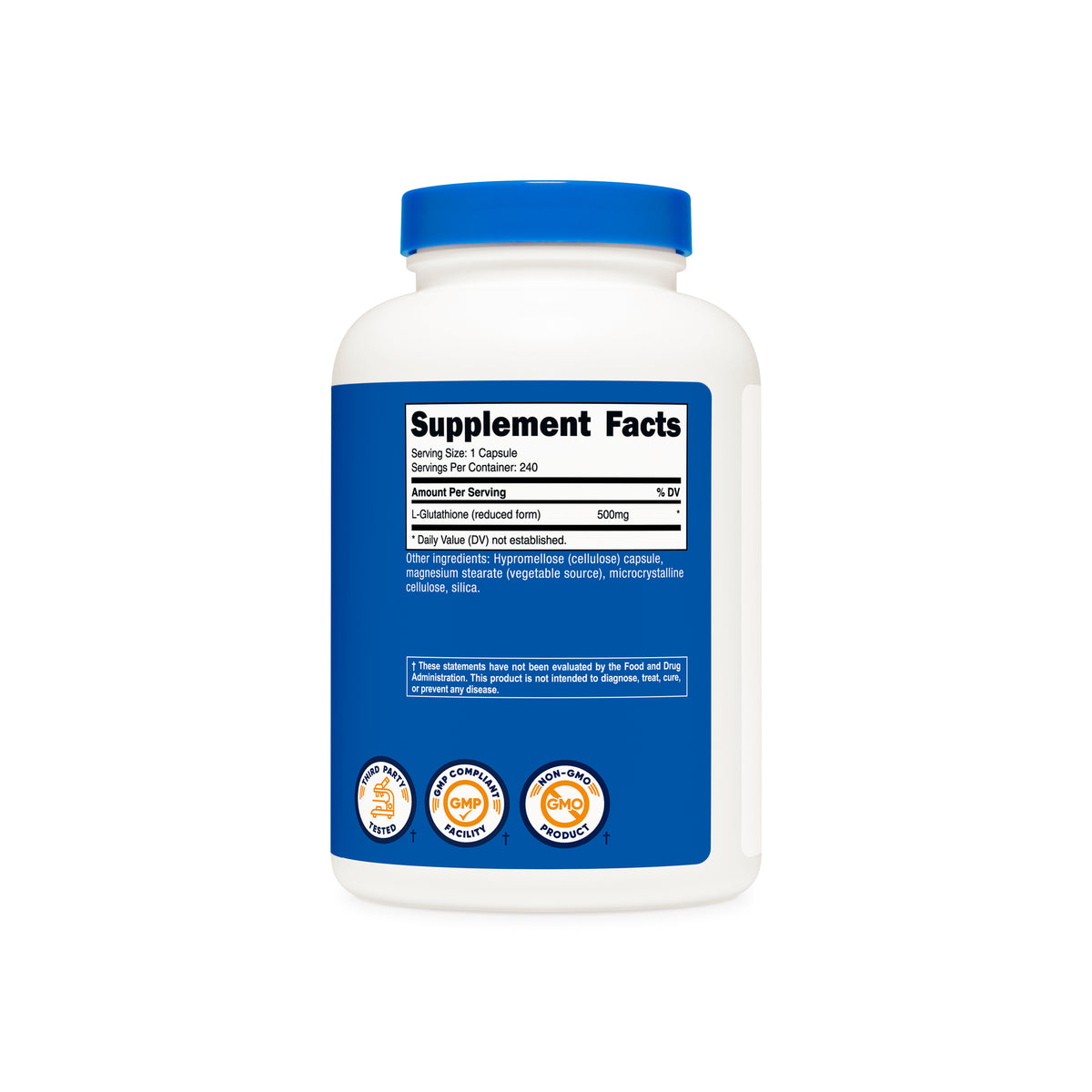
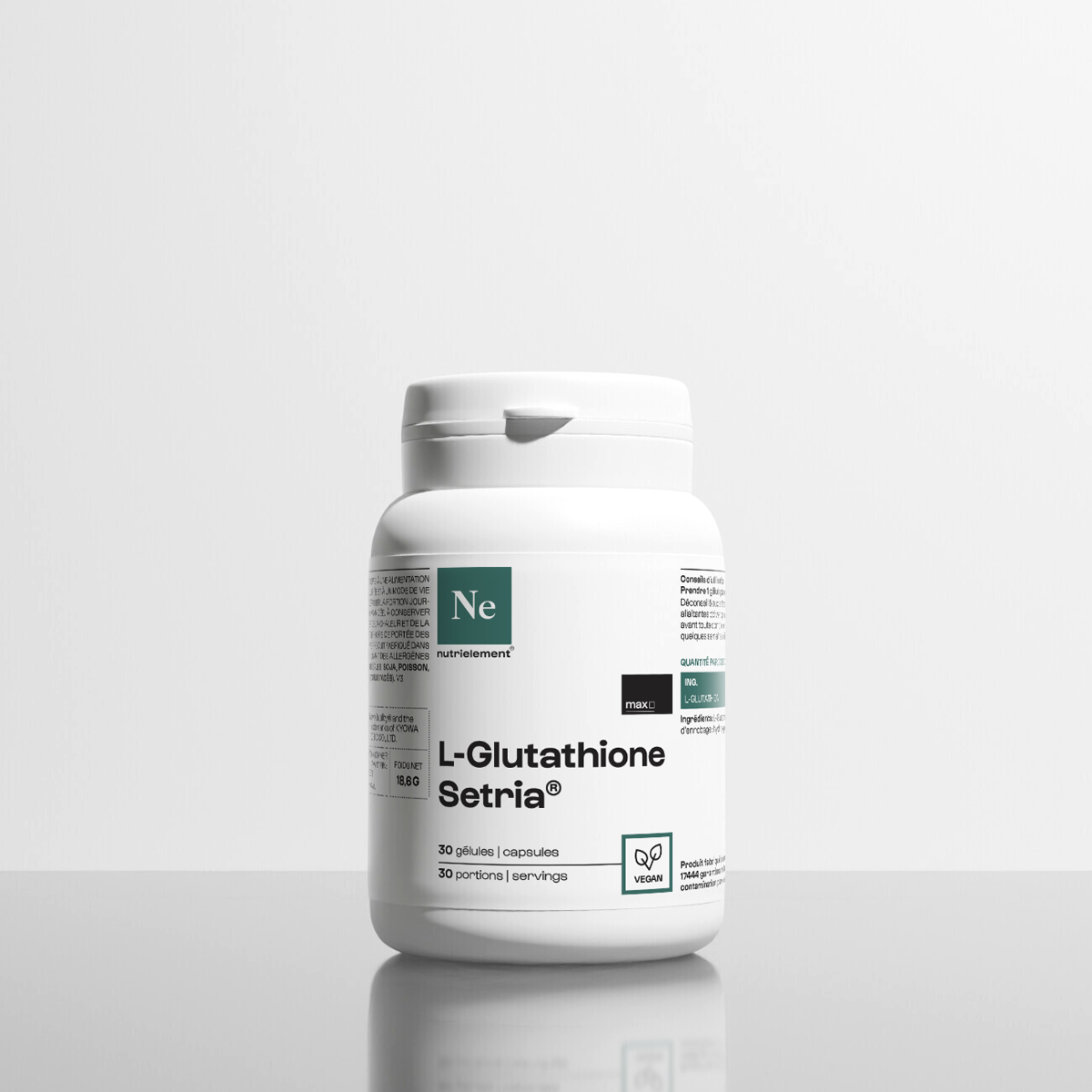
During intense training, stress, or demanding cycles, the bodys natural glutathione stores can become depleted leading to slower recovery and increased fatigue