p63 is a member of the tumor suppressor family which includes p53 and p73 and while it was discovered much later than the others, p63 appears to be the original member of this family from which p53 and p73 evolved [14-17]
In practice, researchers often study one from each group side by side a signalling peptide to change how a cell behaves, and a cofactor to support the machinery that behaviour depends on
These phytoconstituents may potentially suppress neuro-degeneration and improve memory as well as cognitive functions of the brain
For a broader look at safety across the peptide landscape, the benefits and risks of peptides guide provides valuable context
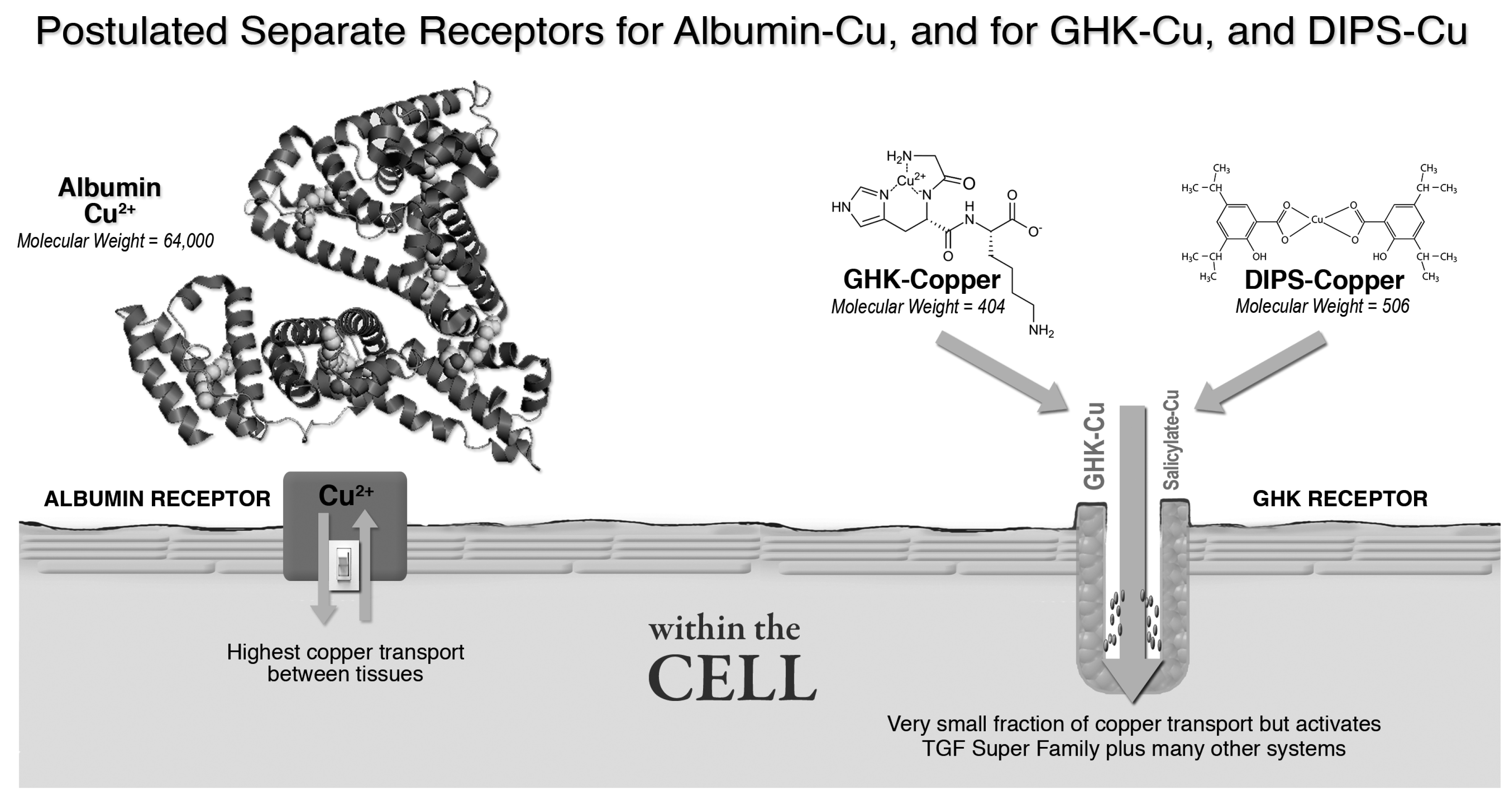
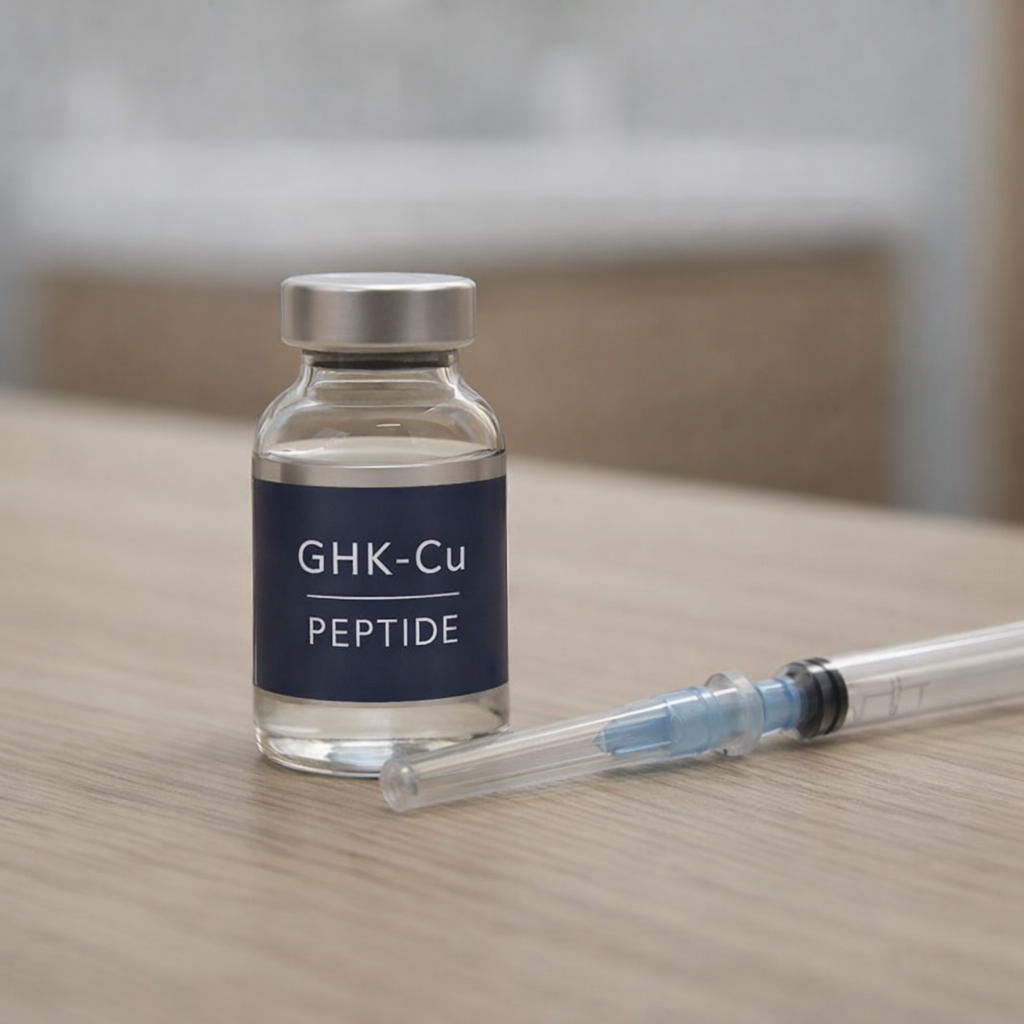
Mechanism of Action Summary BPC-157 Modulates nitric oxide and VEGF signaling Supports angiogenesis and cytoprotection Influences tendon and ligament matrix signaling TB-500 Influences actin dynamics and cellular migration Supports angiogenesis and re-epithelialization Enhances organized tissue repair processes GHK-Cu Delivers copper for ECM production Stimulates collagen, elastin, and glycosaminoglycans Provides antioxidant and matrix-balancing support Dosing & Clinical Considerations Dosing strategies for peptide blends such as the GLOW Blend Peptide are individualized and depend on clinical goals, route of administration, patient physiology, and the overall treatment plan
Different peptides interact with different pathways in the body






:max_bytes(150000):strip_icc()/VWH-GettyImages-2126120259-c2442d334436484baa255439265b7fb1.jpg)