Existing epidemiologic and mechanistic data support a potential role for GLP-1 receptor agonists in dementia risk reduction, particularly in metabolically vulnerable populations [14,15]
As we get older, the damage can accumulate and result in potentially harmful effects, including those most often associated with cognitive decline
The Ozempic lawsuit, filed against pharmaceutical giants Novo Nordisk and Eli Lilly, alleged that the drugs, both Glucagon-like peptide 1 (GLP-1) agonists, caused severe gastrointestinal issues.
Baseline: CBC, B12, folate, iron studies Repeat B12 levels 1 month after loading dose Annual checks for chronic therapy Monitor potassium during initial treatment Neurological exams for neuropathic symptoms B12 injections can "mask" megaloblastic anemia from folate deficiency while allowing neurological damage to progress
GLP-1-derived peptides (liraglutide, exendin-4, and exendin 939) effectively inhibited capsaicin (CAP)-induced currents and calcium responses in cultured sensory neurons and TRPV1-expressing cell lines
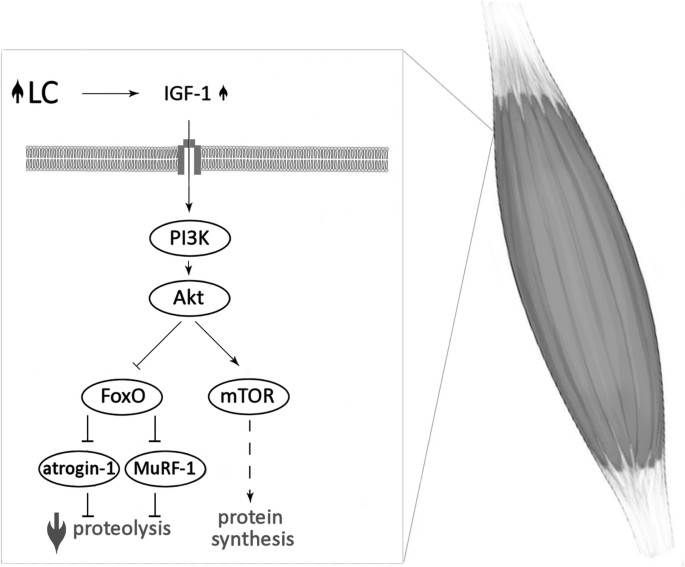
They operate at the level of individual receptors, growth factors, and gene expression pathways