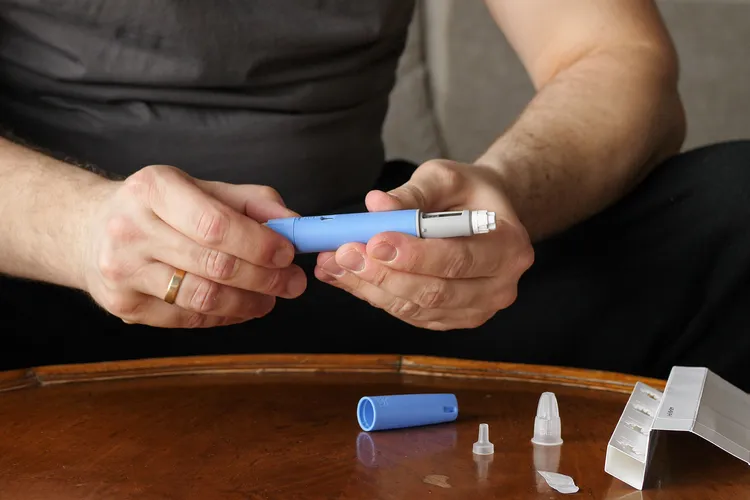
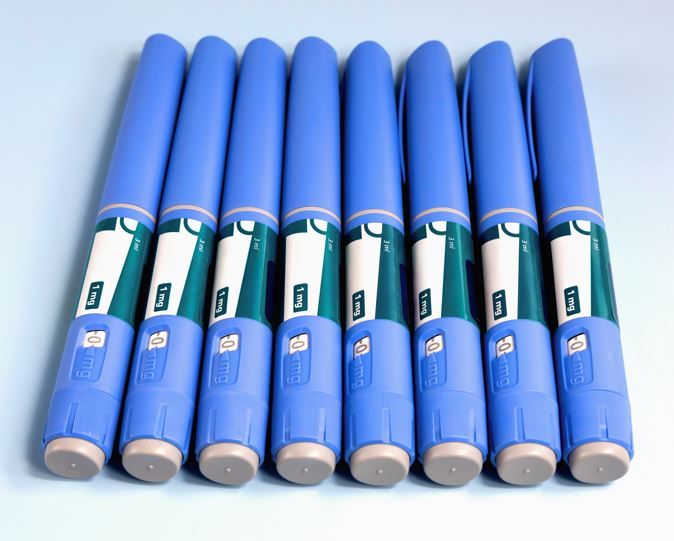
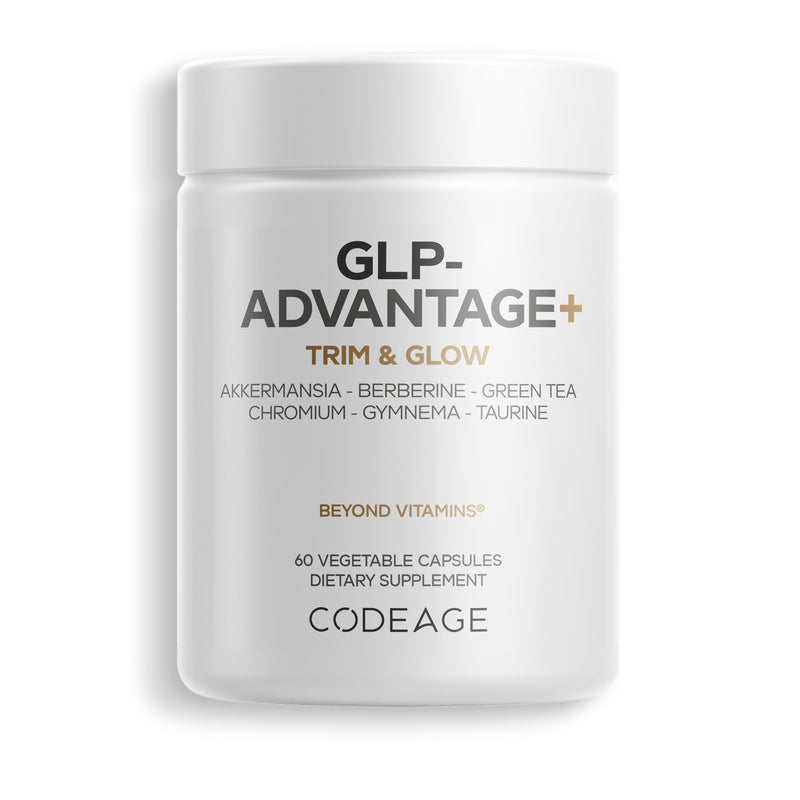
Nausea, bloating, diarrhea, or constipation are common as your body adjusts
Up to 75% of women experience hot flashes or night sweats during their menopause journey, with symptoms nearly five times more prevalent in perimenopause than premenopause Declining estrogen levels disrupt the hypothalamus, causing the body's internal thermostat to malfunction and trigger sudden sweating episodes Alcohol, caffeine, spicy foods, stress, and warm bedroom temperatures can significantly worsen nocturnal sweating Practical solutions include moisture-wicking sleepwear, cooling bedding, and keeping bedroom temperatures between 60-67F Hormone replacement therapy and non-hormonal options exist for severe cases, but tracking symptoms helps doctors provide accurate diagnoses Waking up drenched in sweat at 3 AM is exhausting, frustrating, and far more common than most women realize
Primer sequences are described in Table S3
Additional benefits include: Supports antioxidant health*
Humanized models expressing risk genes like APOE4 faithfully recapitulate genetic susceptibility and clinical phenotypes observed in human AD (Vitek et al., 2020)
a 4% betaine salicylate product is similar to a 2% salicylic acid one