Systemic wound healing in animals at ~1.1 mg/kg far below the toxic threshold (LD50 estimated ~23,000 mg in 70 kg human).[10][3] GHK vs
De verscheidene effecten van carnitine (zoals de antioxiderende en ontstekingsremmende werking en bescherming tegen celdood) zijn bijzonder belangrijk voor de bescherming tegen nierziekten

Other Dietary Sources Worth Noting While concentrations are considerably lower than in mushrooms, ergothioneine can also be found in: Animal products: Liver (especially kidney and red blood cells contain moderate amounts) These levels reflect the ergothioneine animals consumed from their own diets Legumes: Black beans, kidney beans, and red beans (especially when grown with mycorrhizal fungi) A 2023 study found black beans showed up to 72 times more ergothioneine when grown with beneficial soil fungi [2] Grains and fermented foods: Oat bran and wheat (particularly when cultivated with specific soil fungi) Tempeh, natto, miso, kimchi, and sauerkraut contain small amounts Spirulina contains relatively high amounts compared to other non-fungal sources Typical dietary intake ranges from 5-20 mg per day depending on mushroom consumption patterns
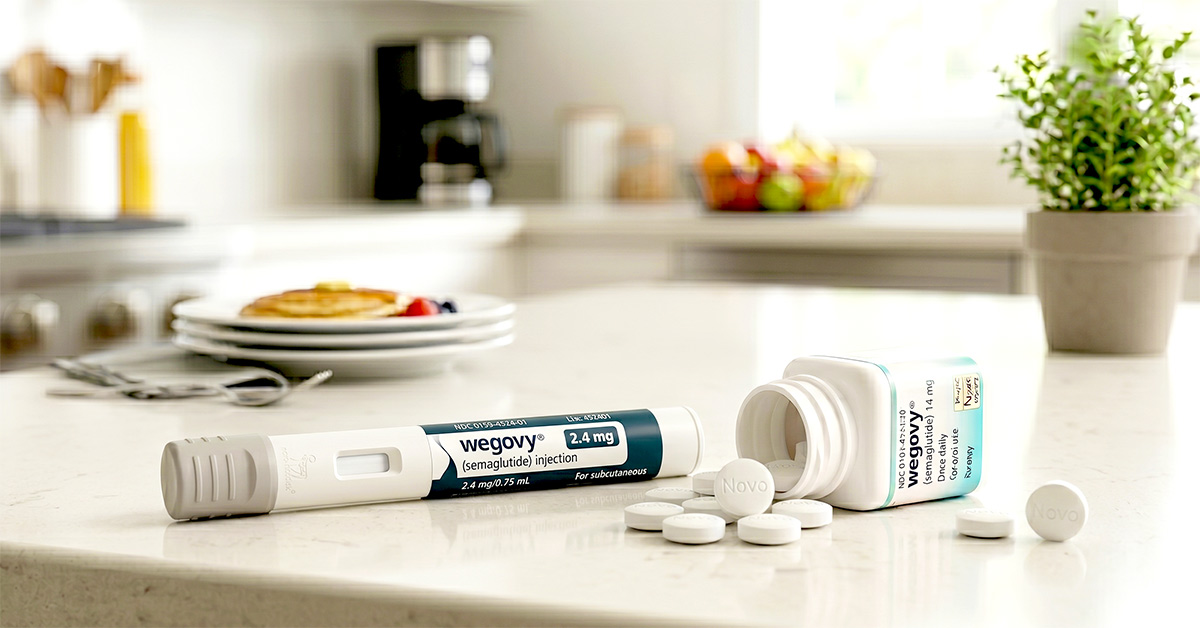
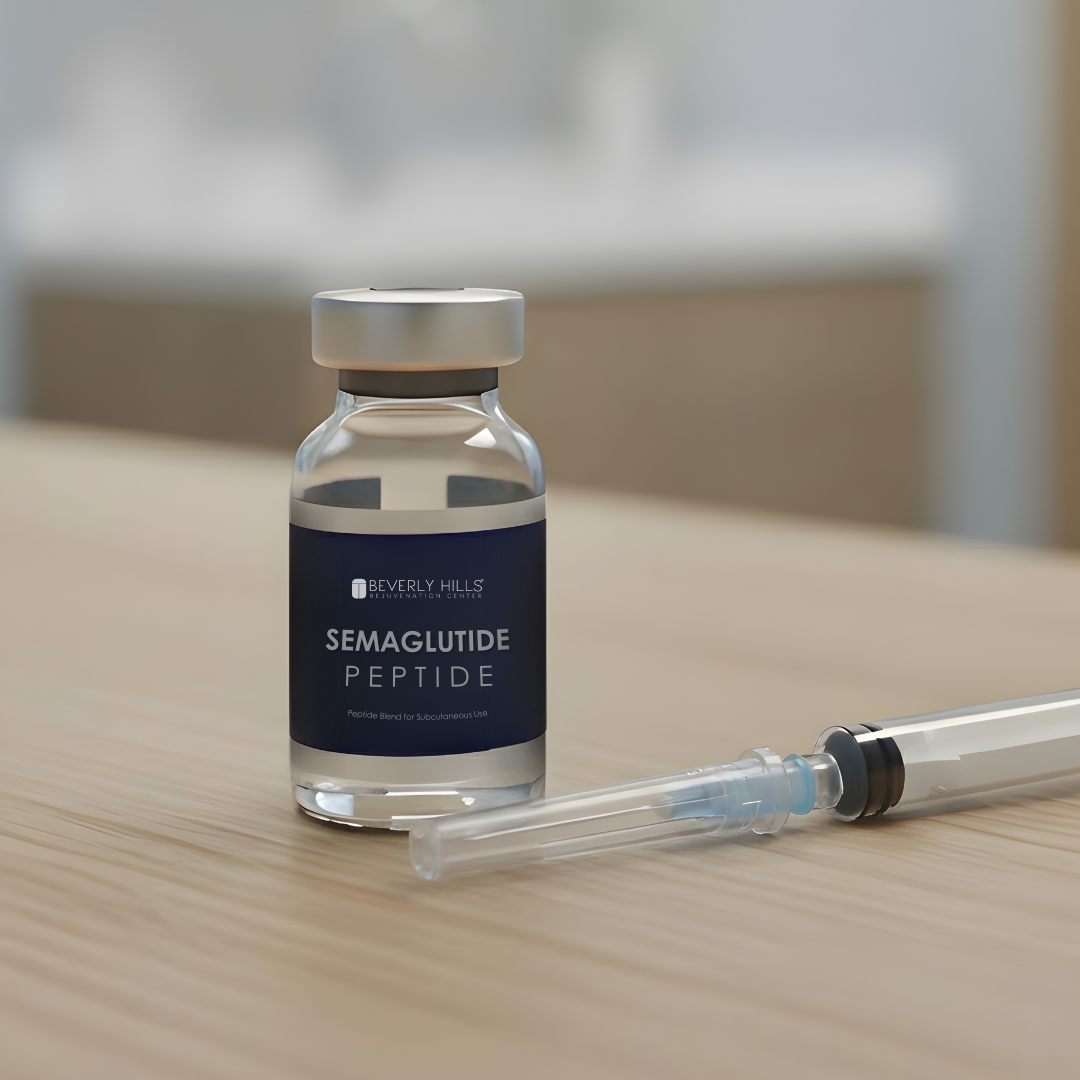
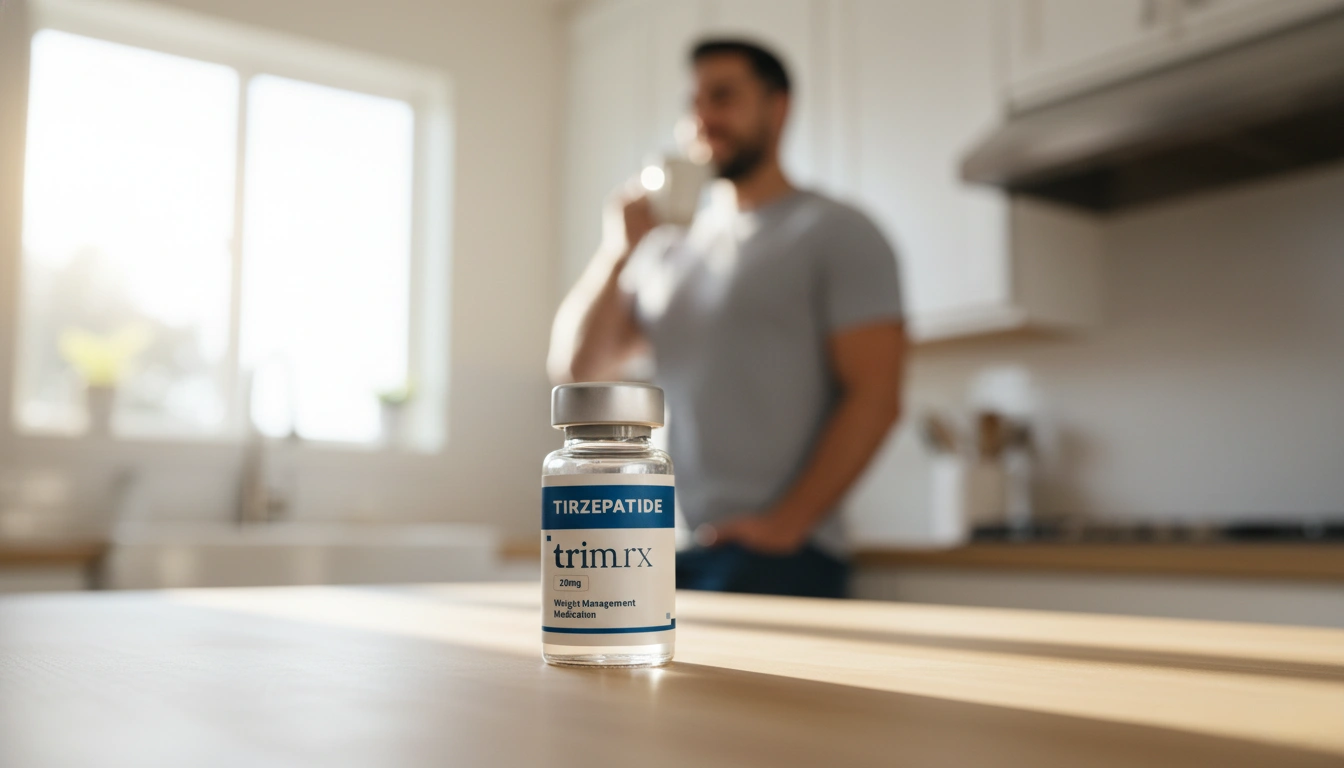
It carries an FDA boxed warning regarding thyroid C-cell tumors observed in rodent studies
"Regulation of the epigenome by vitamin C"
Trajectories of depressive symptoms in old age: integrating age-, pathology-, and mortality-related changes

















/https%3A%2F%2Fopengraph.b-cdn.net%2Fproduction%2Fimages%2F2ed46913-f157-43c3-9418-19fea49af16c.png%3Ftoken%3DUl4O1QAtXTaMUjOfpBooUL-C8jajM-YwYFPrjCtr6ms%26height%3D1080%26width%3D1080%26expires%3D33315971423/og.png)