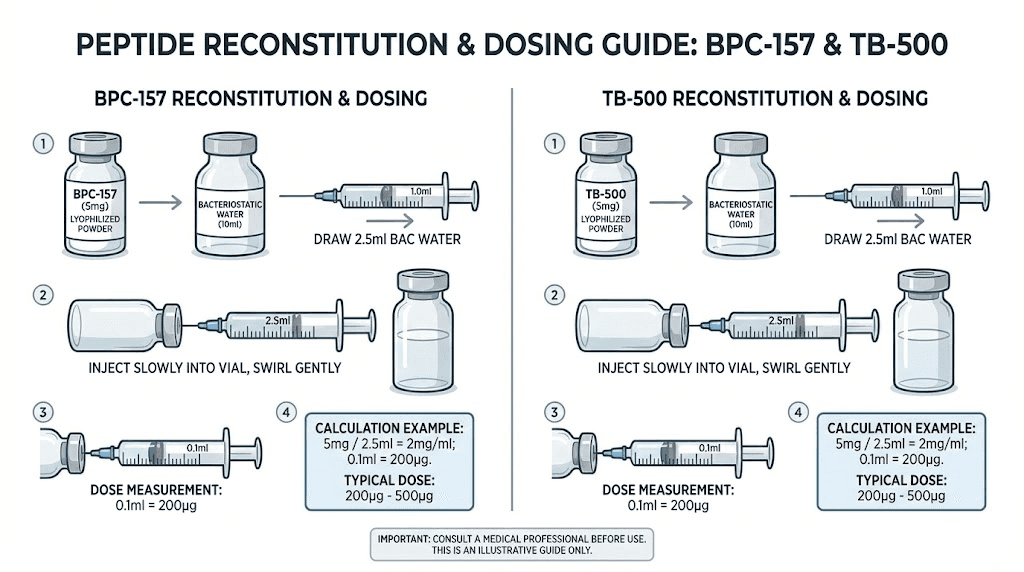
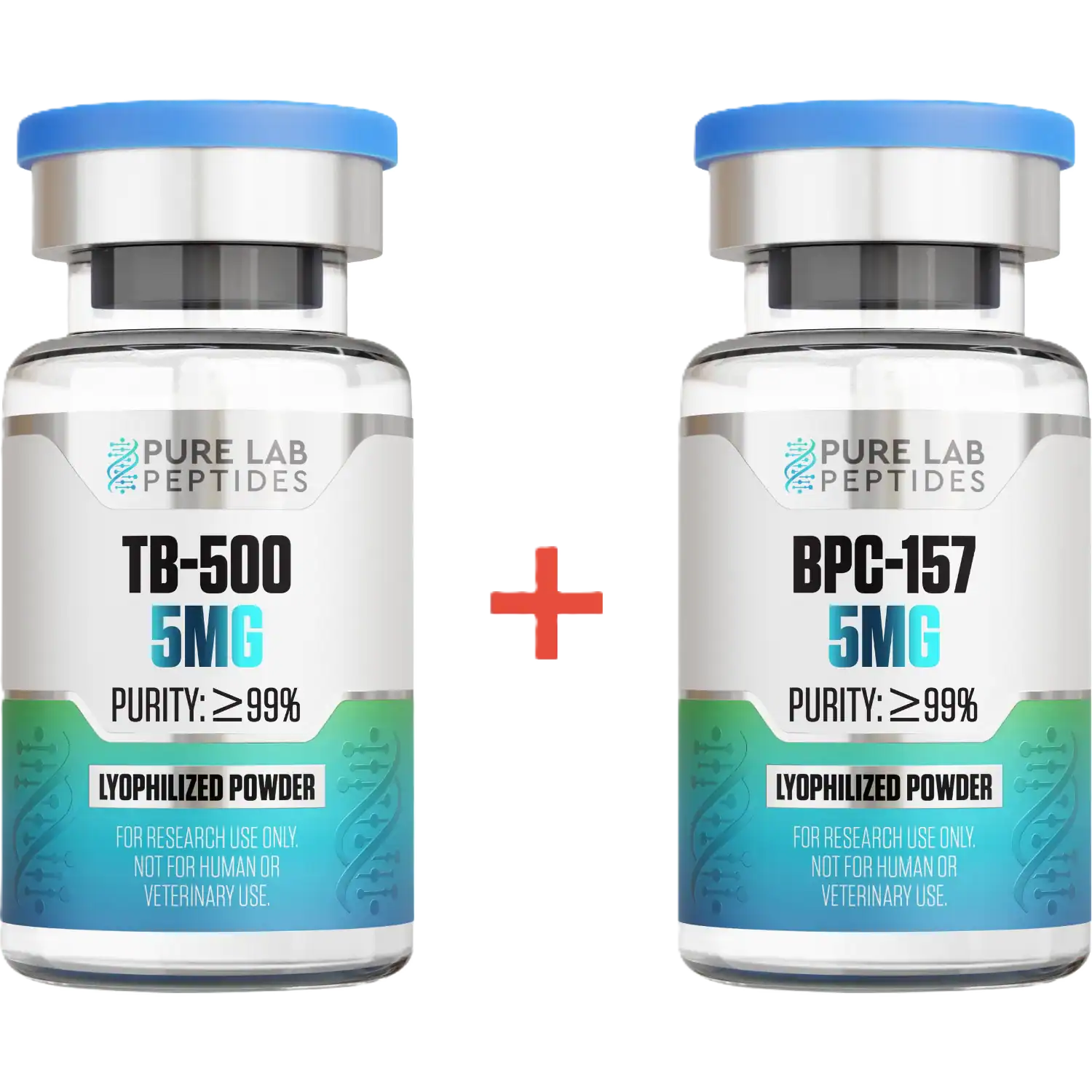
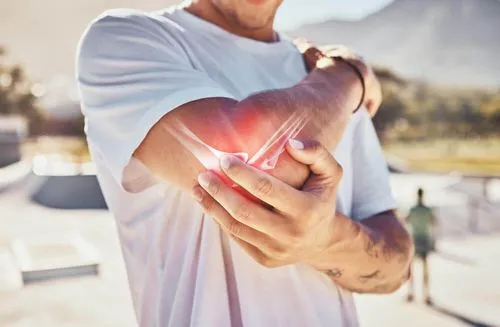
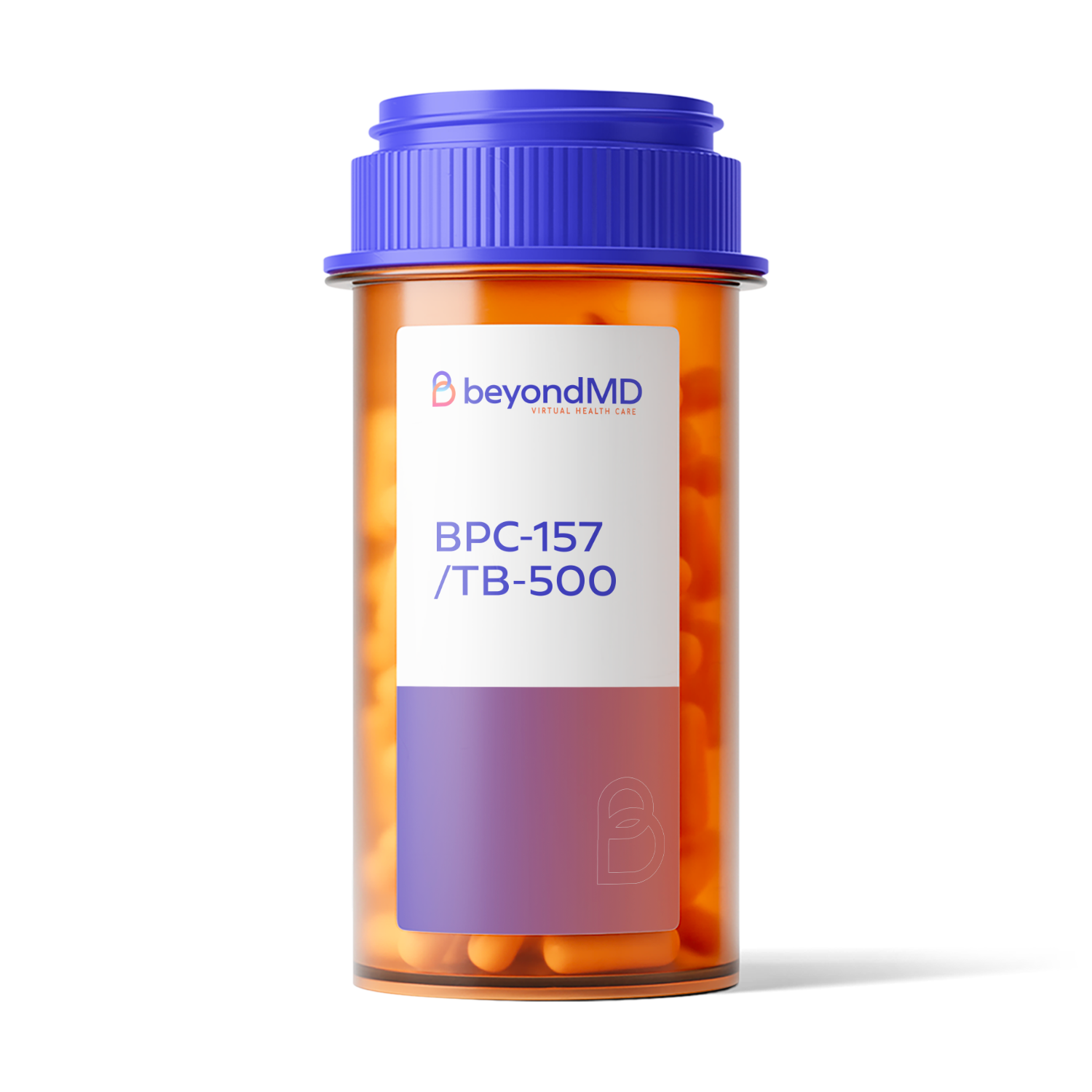
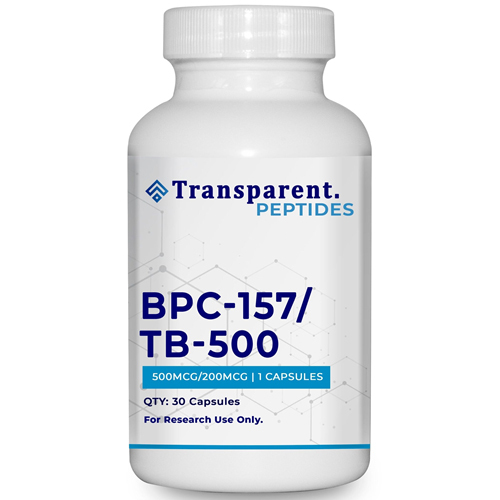
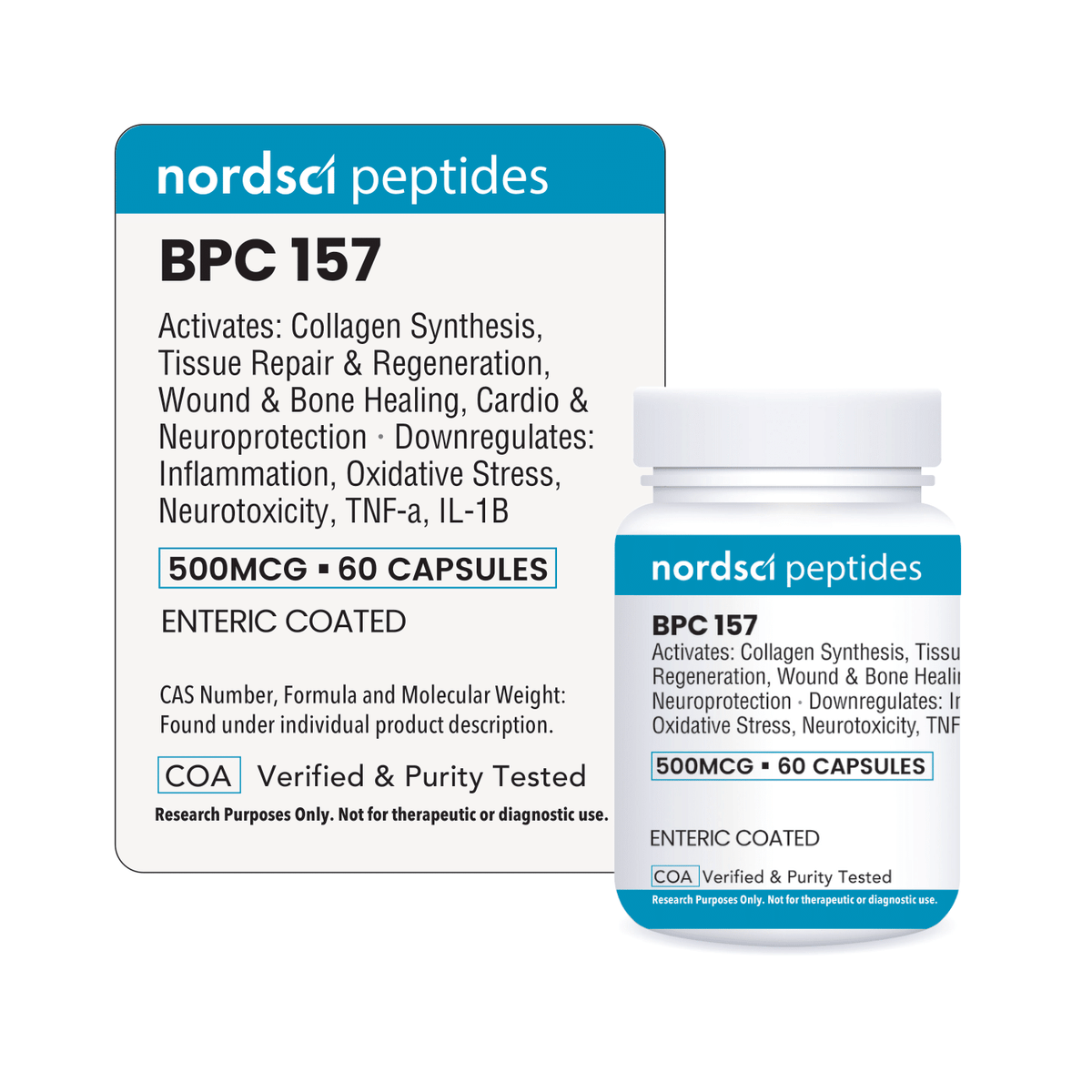
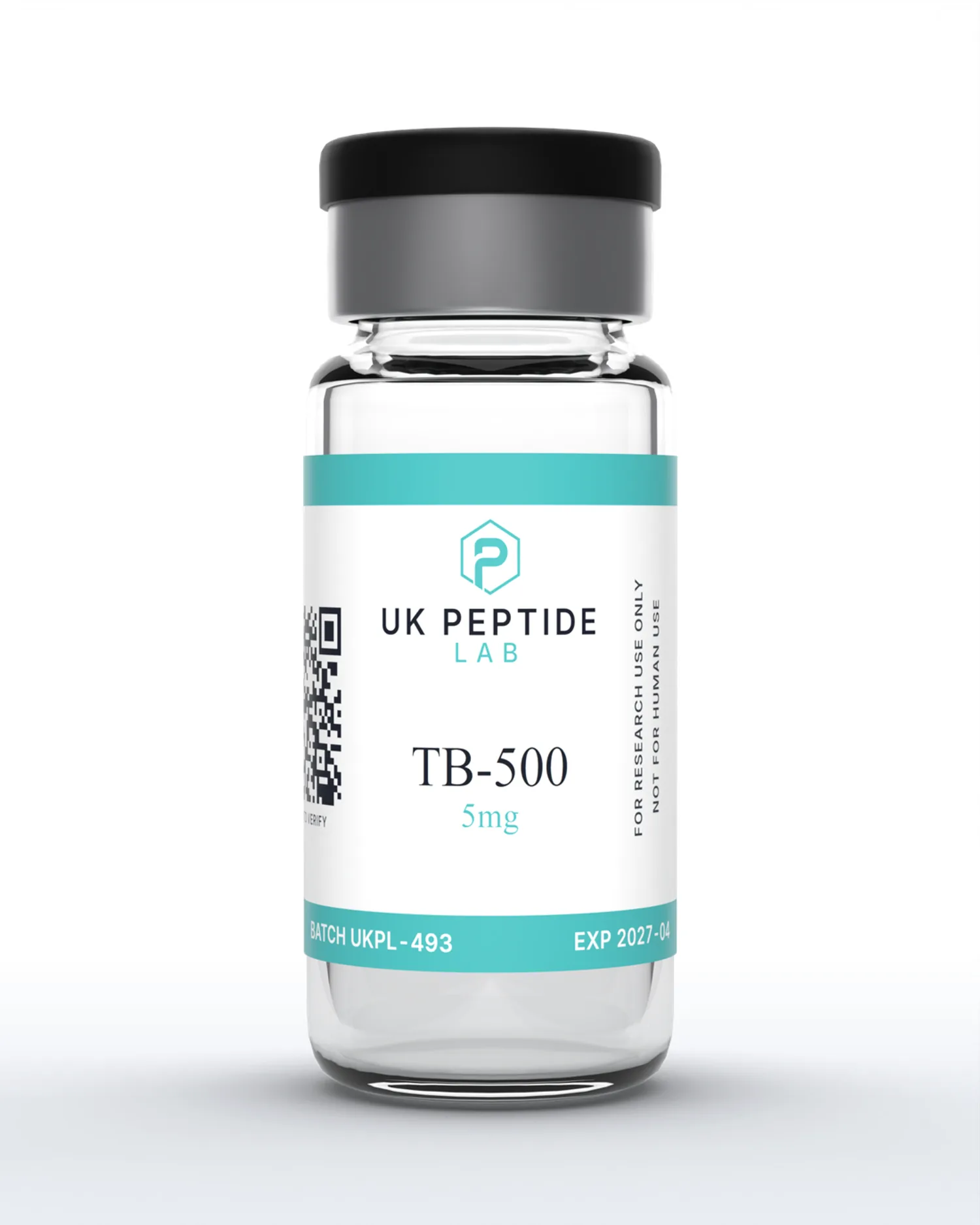
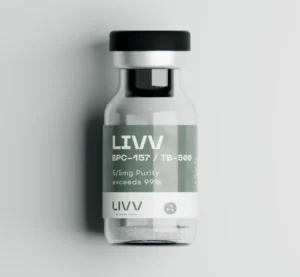
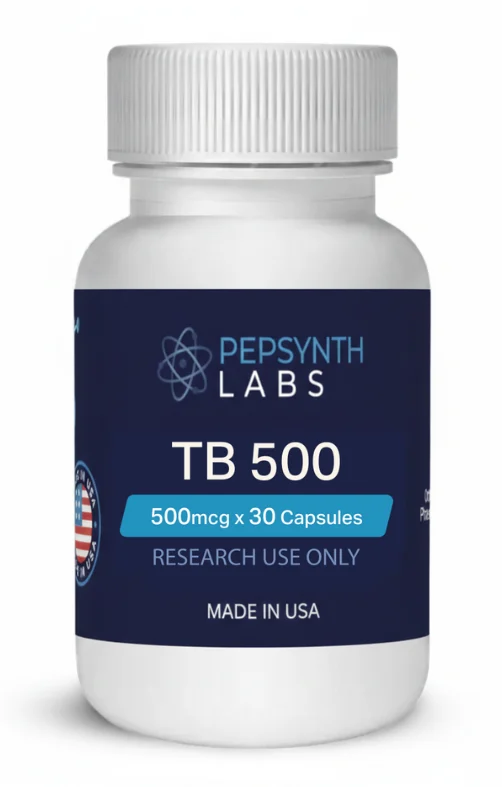
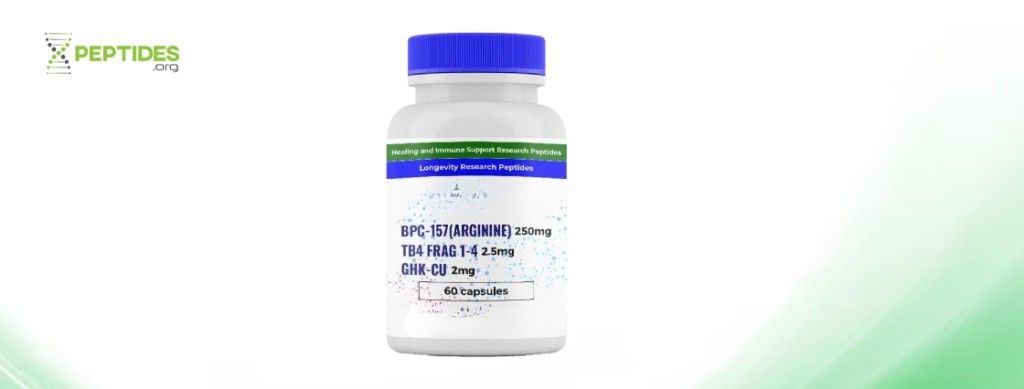
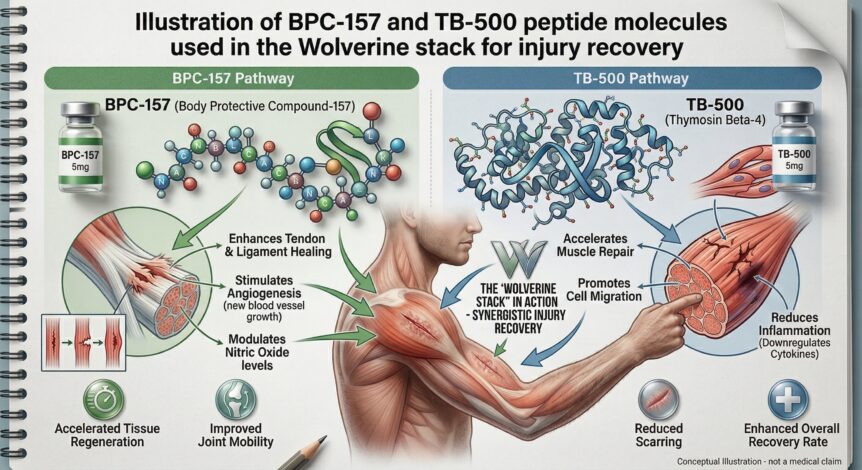
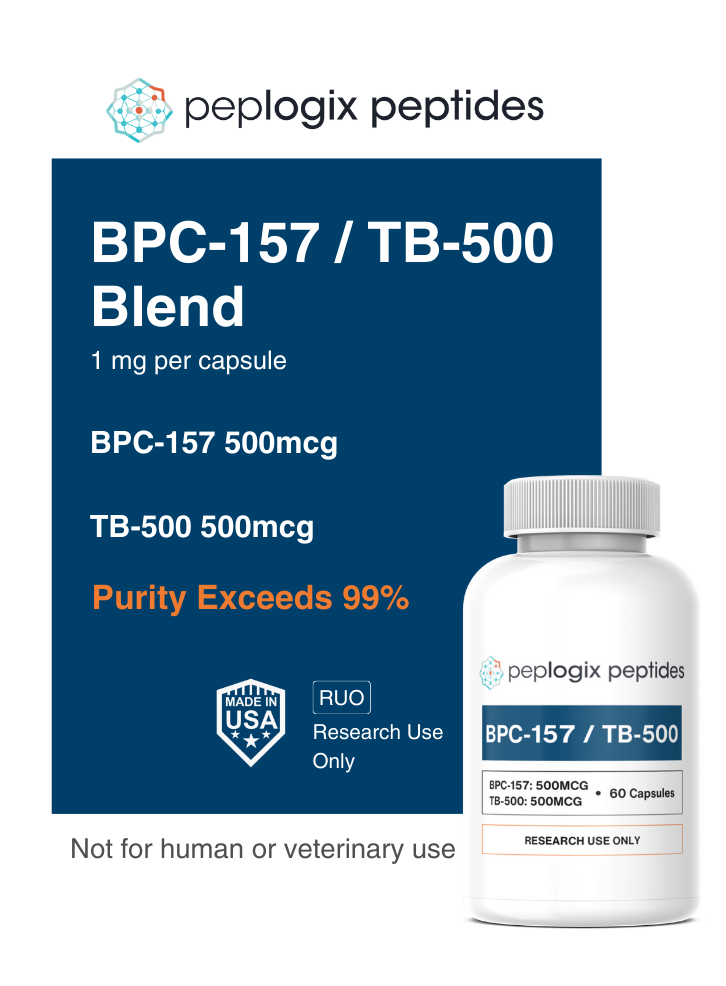
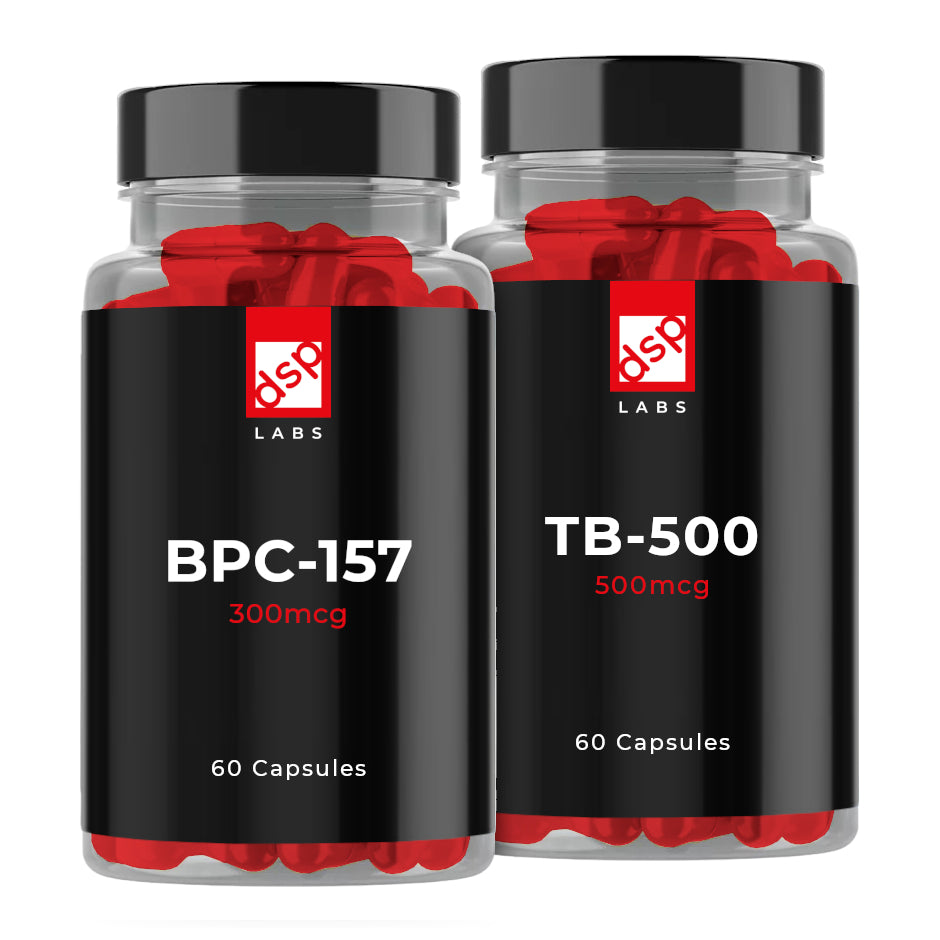
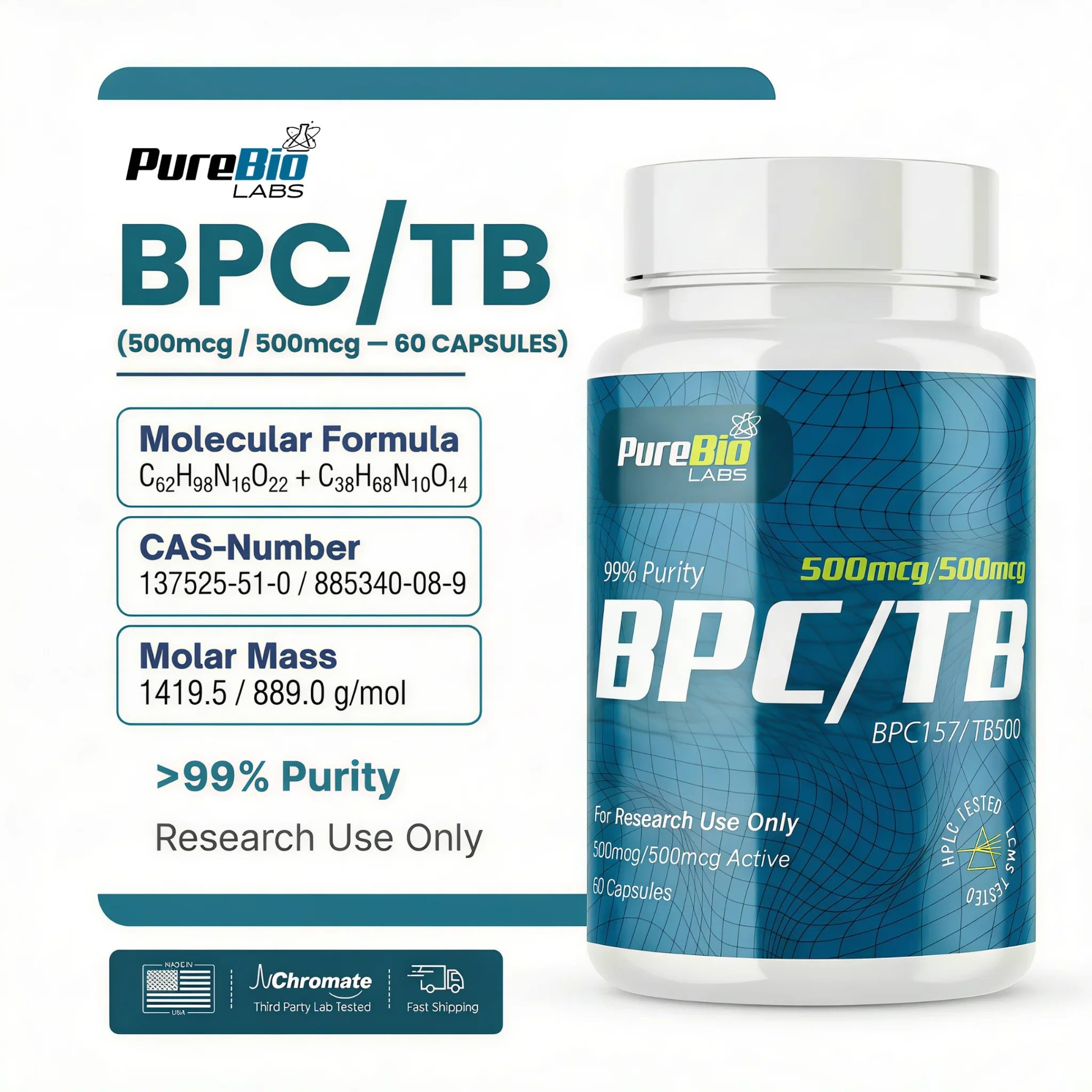
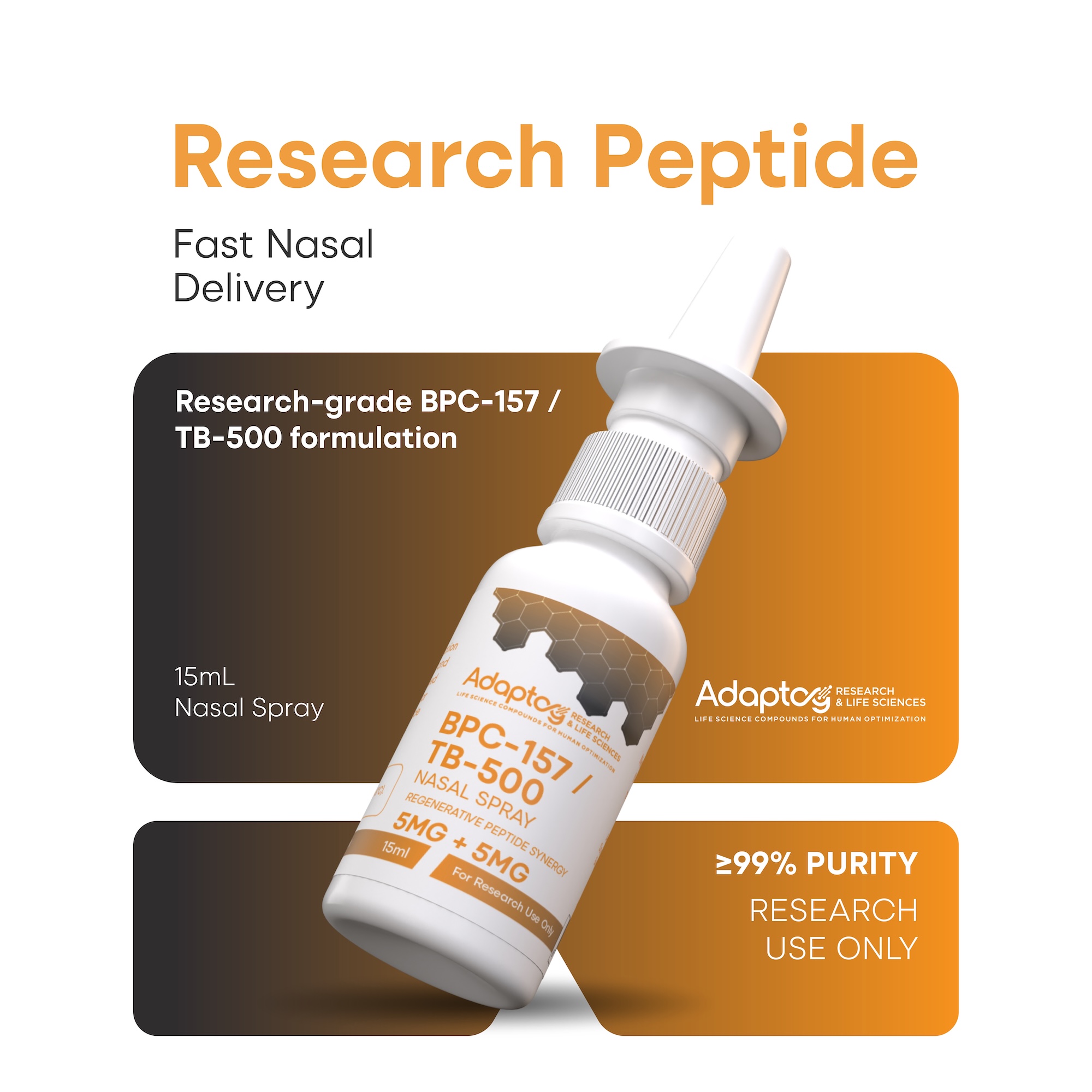
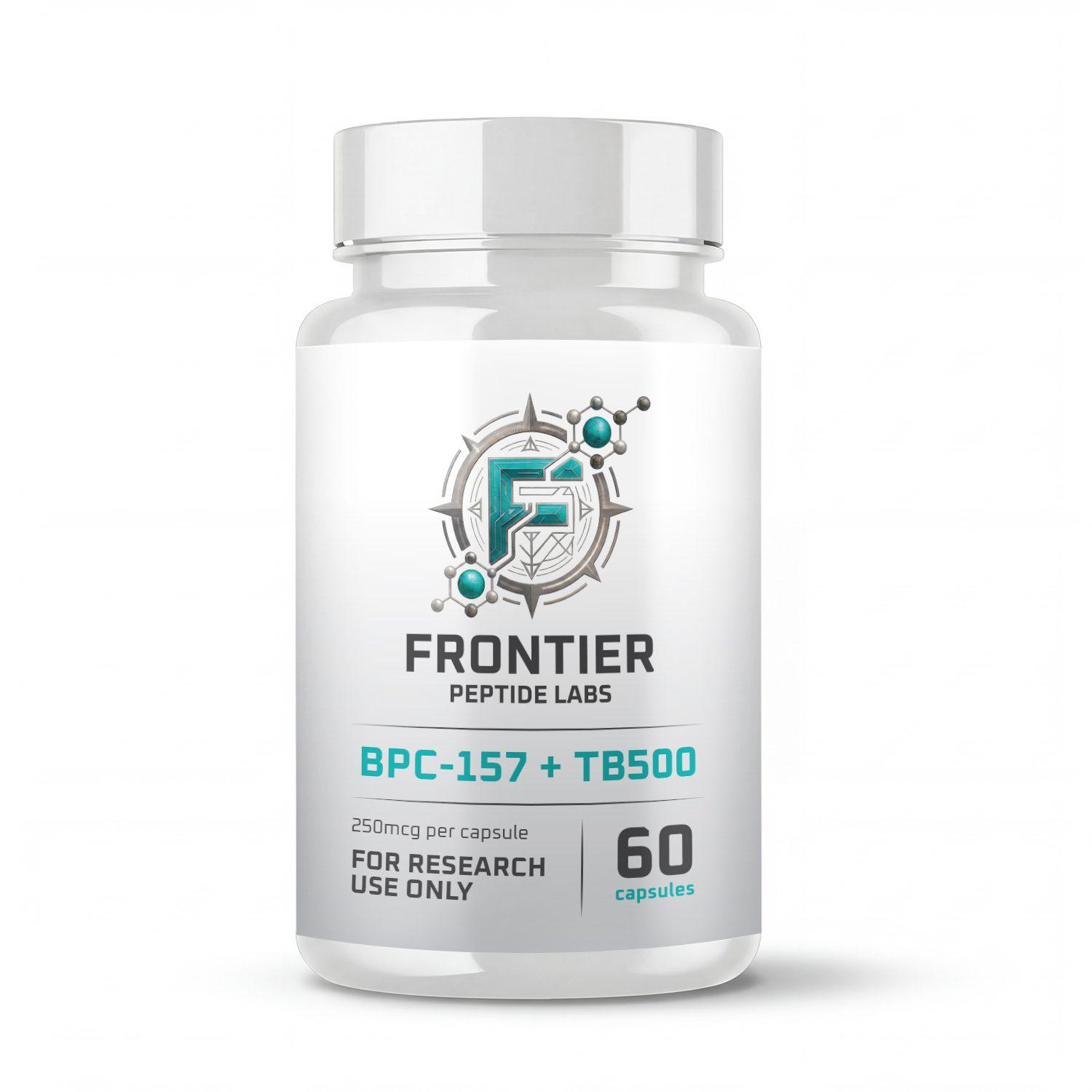
Muscle Injury and Recovery Research Studies on component peptides in muscle injury models revealed complementary healing mechanisms: BPC-157 showed faster restoration of muscle architecture in crush injury models TB-500 enhanced satellite cell activation and myofiber regeneration GHK-Cu improved collagen content and reduced fibrosis formation Combined mechanisms suggest enhanced functional recovery potential Bone and Cartilage Research Investigations in fracture and cartilage models demonstrated effects on bone repair processes, including improved callus formation and mineralization in animal studies
Taking a vitamin D supplement daily is an easy and effective way to ensure youre able to meet the requirements and reduce the risk of a deficiency
How long do the effects of Glutathione IV Drip Therapy last
Mast cell activation syndrome (MCAS) flares up when mast cells, which are located throughout the body, inappropriately release excessive amounts of chemical mediators, such as histamine, in response to a trigger, including one or more of the following: Alcohol An allergen Certain chemicals Certain food items (which vary among individuals) Certain fragrances (such as perfume or cologne) Certain medications Exposure to sunlight Heat or cold Heavy metals Infection (bacterial, viral, or fungal) Mold/fungus When mast cells function as they should, they help defend the body against threats, such as harmful viruses, bacteria, and fungi
The Bottom Line The FDAs latest communication makes one thing clear: not all compounding is compliant, and some wellness ingredients could carry significant safety and legal exposure
Our experience shows that overlooking even one of these can significantly impact your research outcomes