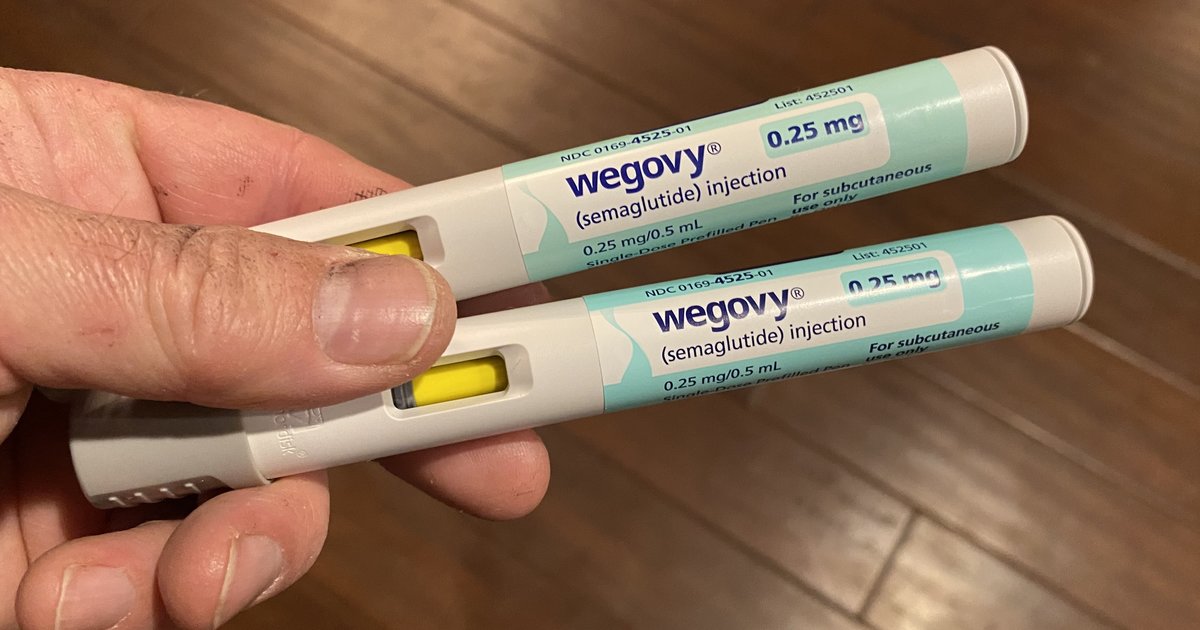
has bpc 157 been banned
Shipping Estimate
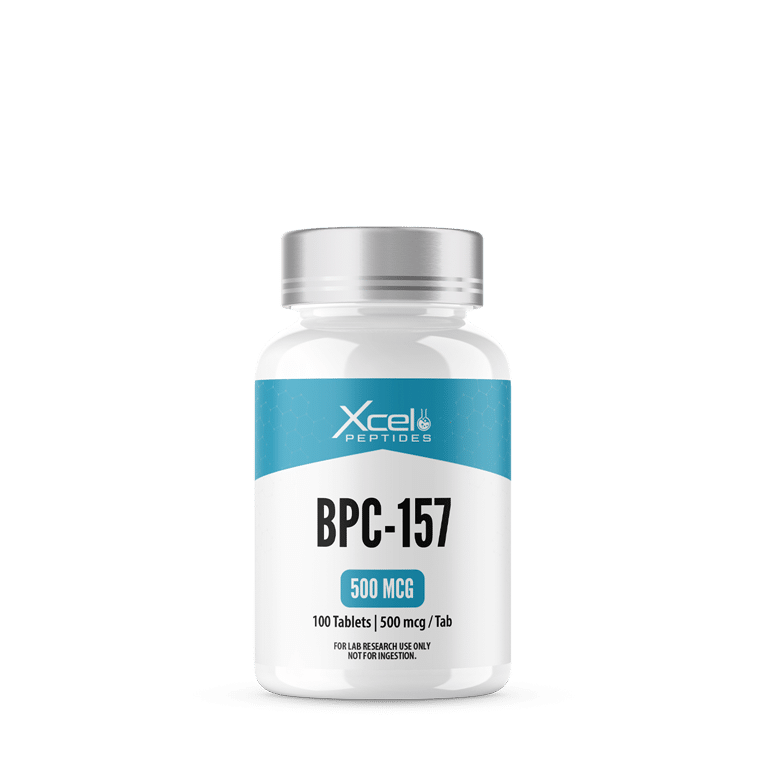
has bpc 157 been banned BPC-157: A Prohibited Peptide and an Unapproved Drug Found in Health and Wellness Products What to Know About Peptides
USD26.42
USD52.42
Pay in 4 interest-free payments of $6.61 Learn more
Shipping Estimate
USA
- USA
- CAN
- USA
- CAN
Ships within 48 hours · Estimated delivery Sep 6 - Sep 11





:max_bytes(150000):strip_icc()/Common-Symptoms-From-Taking-a-GLP-1-And-How-to-Manage-Them-9e5bb7cee0484522a50dd9d7ce954cc4.jpg)