Our complete guide covers bone and cartilage biology understanding repair challenges, specific peptides with documented musculoskeletal benefits (BPC-157, TB-500, growth factors, collagen peptides), cellular and molecular mechanisms of peptide-mediated repair, clinical and research evidence from human and animal studies, practical protocols for different injury types (fractures, cartilage damage, ligament tears, arthritis), combining peptides with conventional treatments (surgery, physical therapy, nutrition), monitoring healing progress and adjusting protocols, safety considerations for musculoskeletal applications, and realistic outcome expectations based on injury severity and tissue type
PubChem record
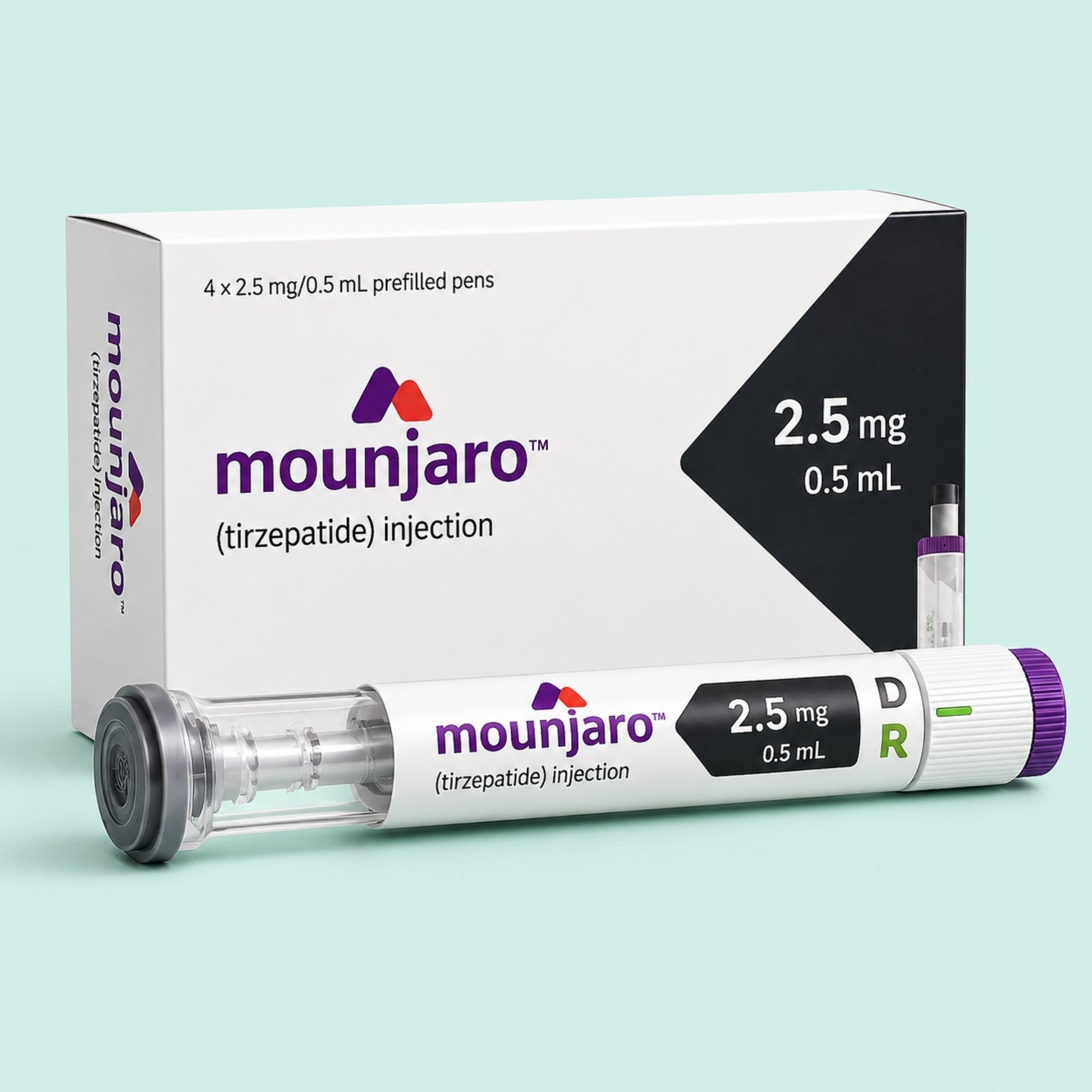
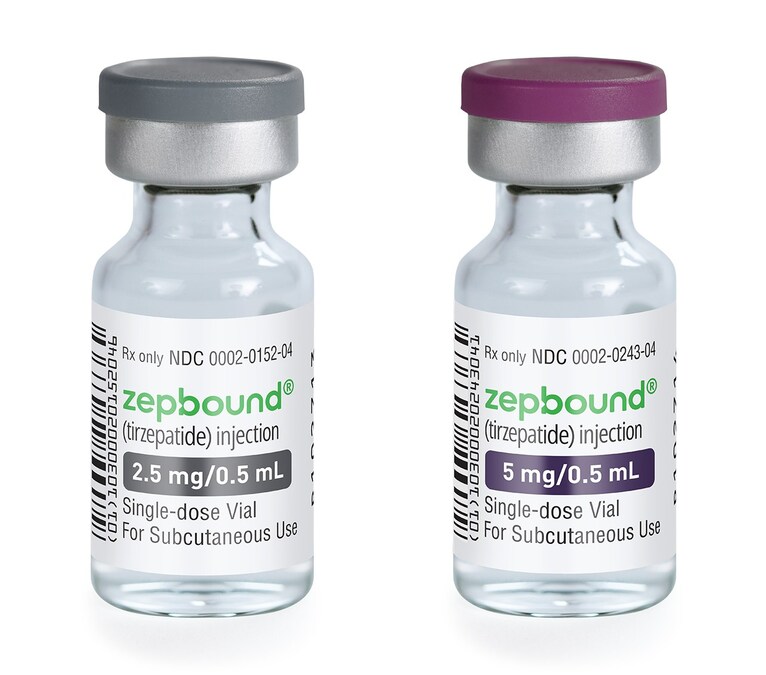
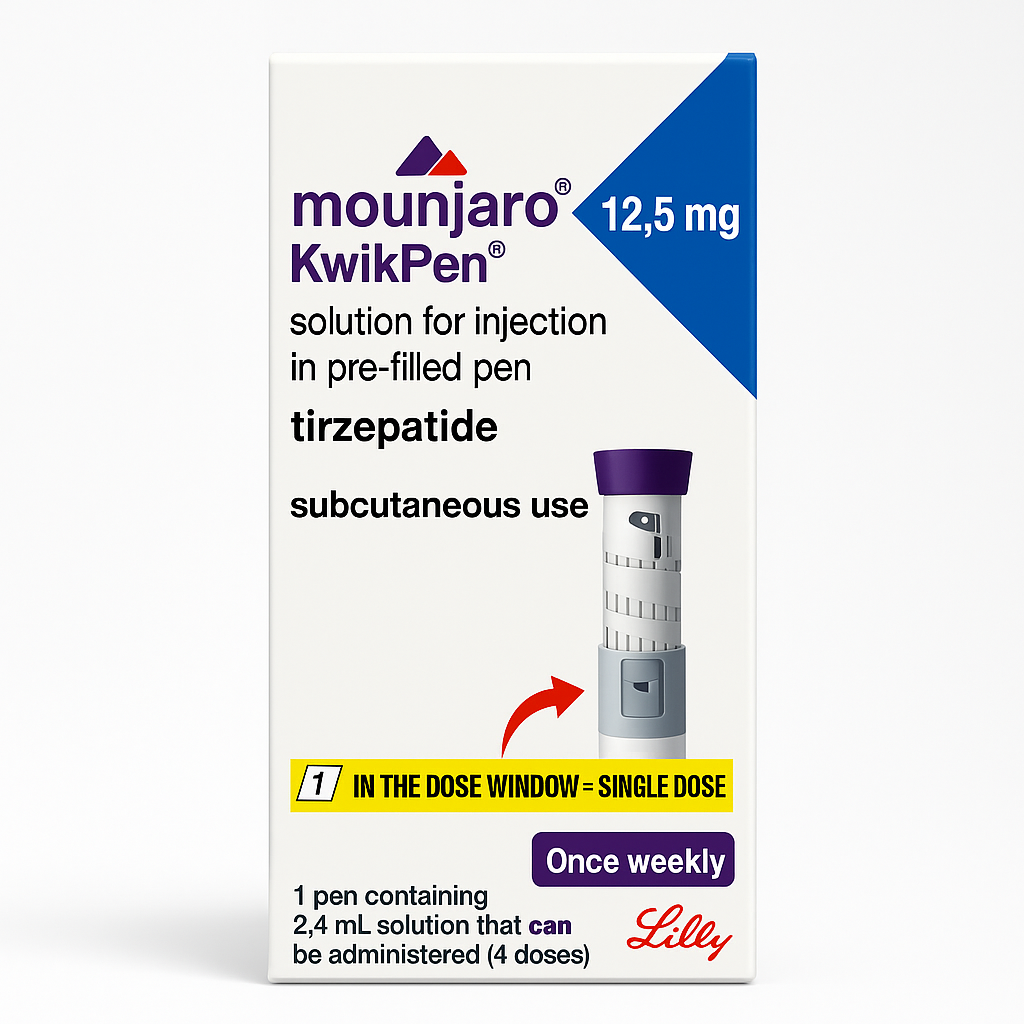
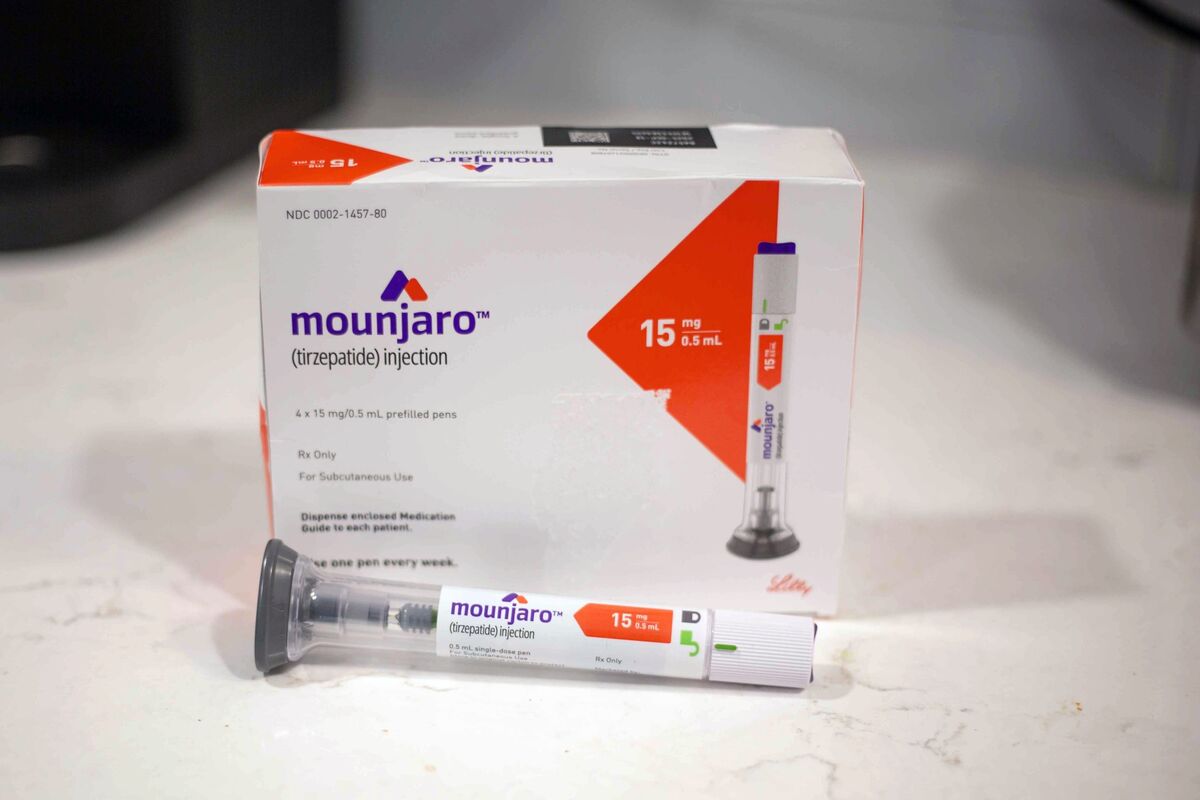
In the SURMOUNT-2 trial for adults with type 2 diabetes, tirzepatide 15 mg produced 14.7% mean weight loss at 72 weeks
They never fully rest during waking hours, which means a healing structure is being repeatedly loaded before it can finish repairing
KLOW and GLP-1 medications act through different receptor systems while there is no direct synergy, KLOW can support tissue healing from training and reduce inflammation during GLP-1-induced rapid weight loss
A Note on Safety and Sequencing: While potent, these peptides are not "magic bullets." We utilize a Phased Protocol : Phase 1 focuses on extinguishing inflammation (BPC-157, Selank, NAD+), while Phase 2 focuses on aggressive growth (Dihexa, Semax)










![glutathione tablet 500 mg uses NOW Glutathione 500 mg 120 veg capsules [ Pack of 2 ]](https://onemg.gumlet.io/l_watermark_346,w_480,h_480/a_ignore,w_480,h_480,c_fit,q_auto,f_auto/fa3dea25f32649f7b4bcd66231f6d813.jpg)


