TUNEL-positive cells and 4-HNE accumulation were observed within TLS in both sulfasalazine-treated and vehicle-treated mice, while cleaved caspase-3, an apoptosis marker, was not evident in either group (Figure 5C)
Research context: For evidence on mechanisms, human and preclinical research, limitations, and safety, read AOD-9604 Peptide: Benefits, Uses, Side Effects, Dosage, and Research
Contigs were aligned to these databases using BLAST (v.2.7.1), in tblastx mode (E-value of 0.001, maximum of five target sequences)
Quick Takeaways Start with 0.5-1% topical GHK-Cu serum applied once daily to the scalp or skin, NOT injectables Expect 3-6 months for visible improvements in hair thickness and 4-8 weeks for initial skin changes GHK-Cu works by activating tissue remodeling genes and stimulating collagen synthesis through specific copper-dependent pathways This is a long-term protocol requiring continuous use, and should not be regarded as a quick fix What GHK-Cu Actually Does (And Why Dosing Matters) Glycyl-L-histidyl-L-lysine-copper(II) is a naturally occurring copper peptide whose production declines dramatically as you age
Diabetes and branched-chain amino acids: What is the link
They also alter the tumour microenvironment by suppressing NF-B-driven inflammation, reducing its support for cancer cell survival and metastasis

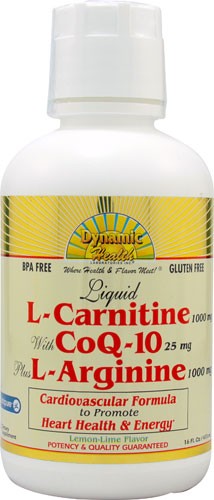

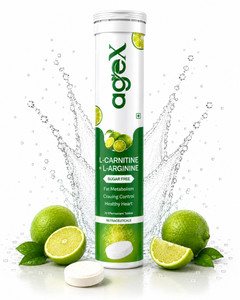

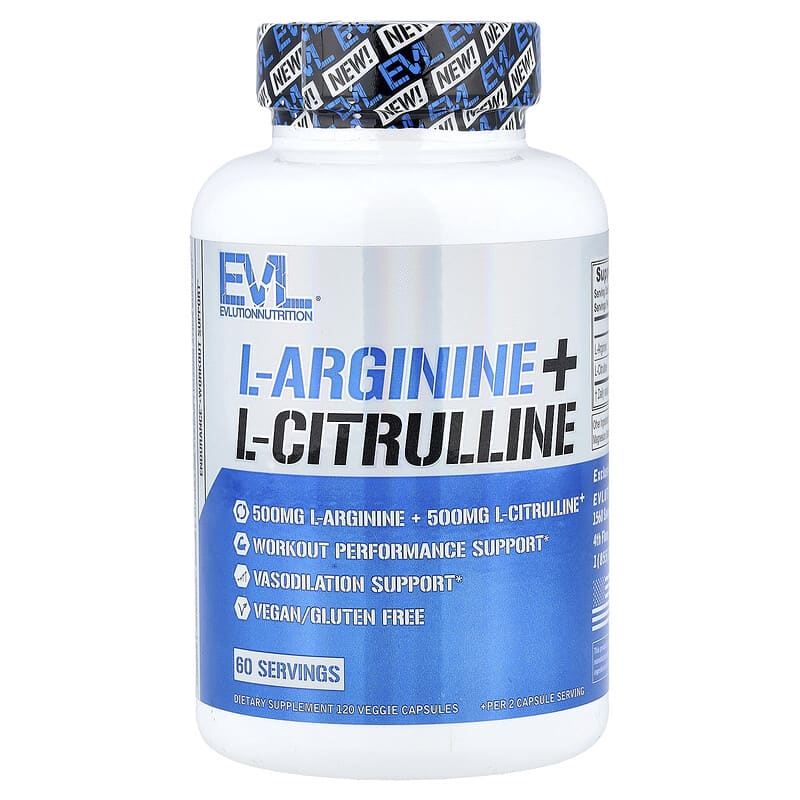

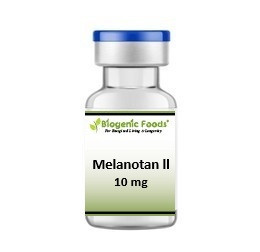
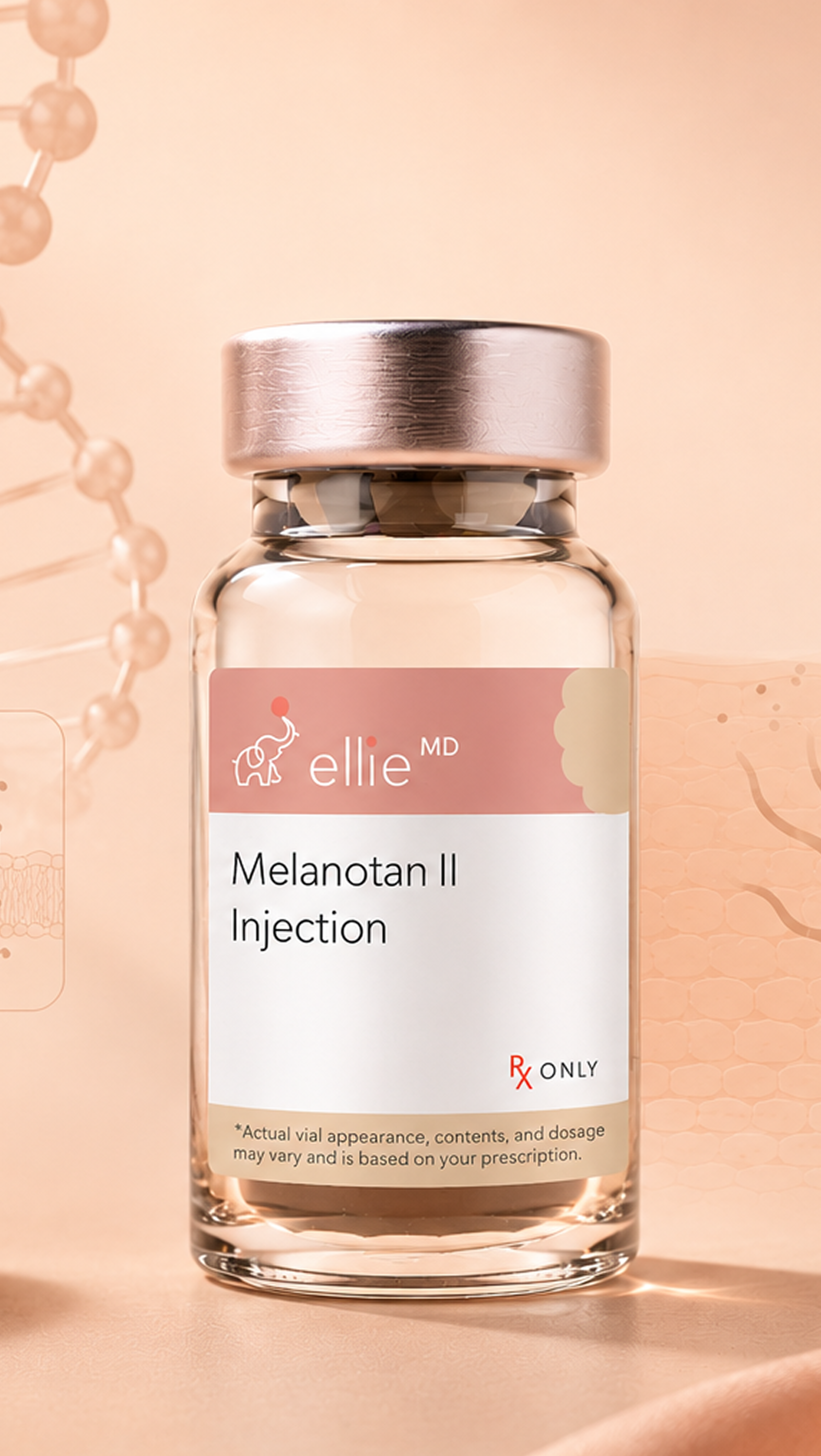

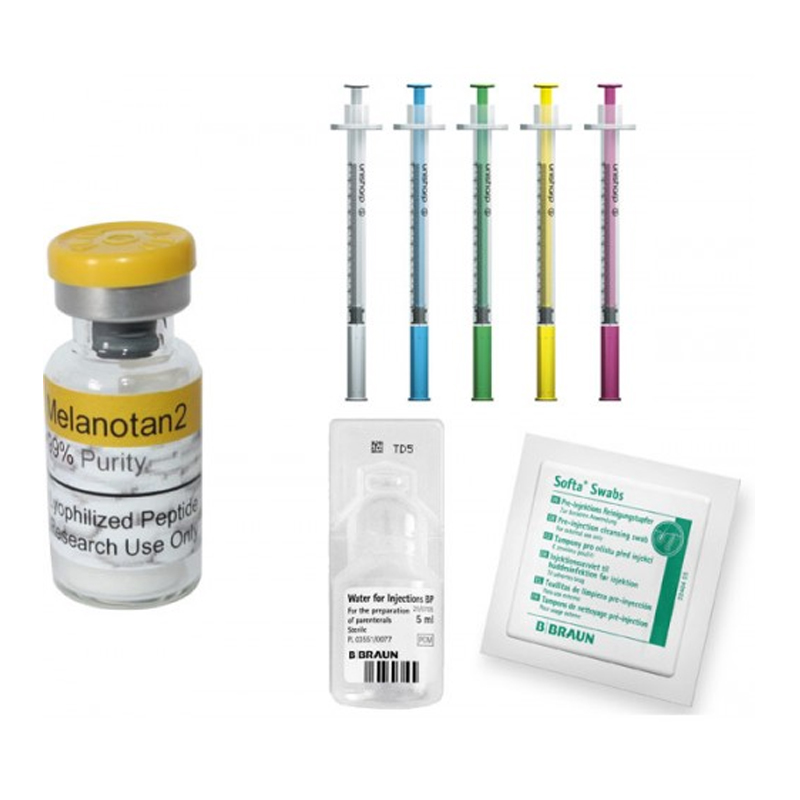
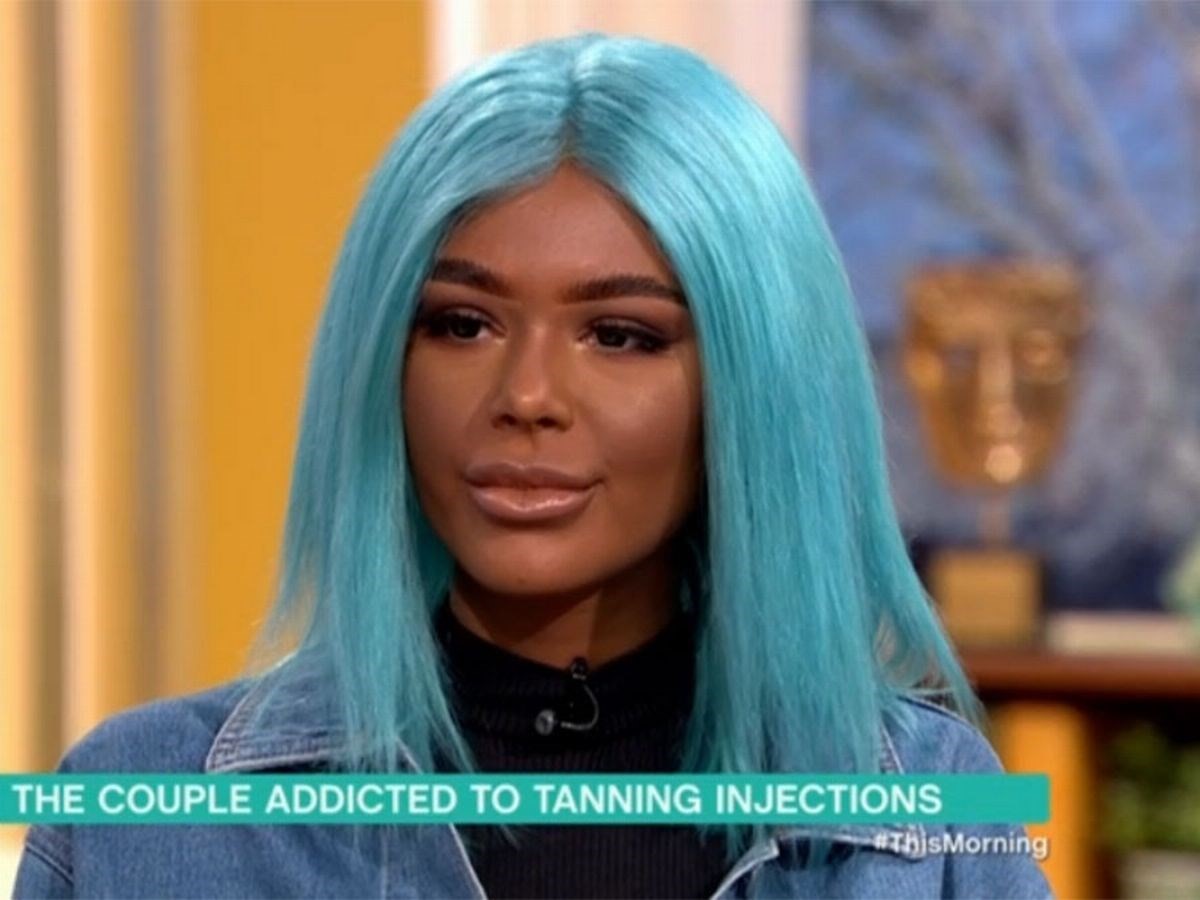
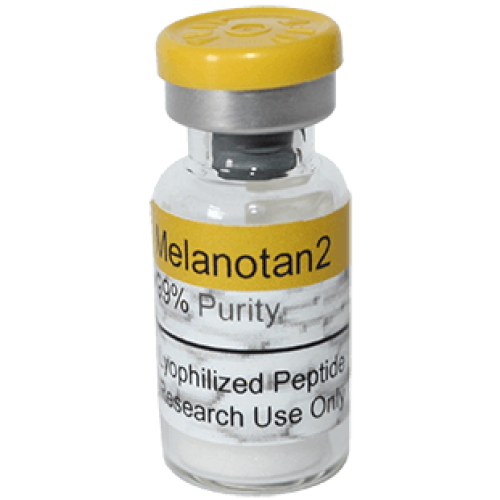
![melanotan injections for tanning side effects long term effects of melanotan melanotan injection results How Tanning Injections Work [Print Article] – All Things Tanning – For Tan Fans!-covingtoncountyhospital](https://preview.redd.it/vios-tirz-with-l-carnitine-v0-y4oa9olkqxig1.jpeg?auto=webp&s=799e44cd797e817bdf059dcff1279ca21bfba55e)