The decision about treatment duration should be made collaboratively between patient and physician, considering individual response, tolerability, cost, insurance coverage, and personal goals
Focus your reduced caloric intake on: Lean protein sources: chicken, fish, eggs, Greek yogurt, cottage cheese (aim for 30+ grams of protein per meal) Dark leafy greens: spinach, kale, Swiss chard (iron, magnesium, calcium, folate) Fatty fish: salmon, sardines, mackerel twice weekly (omega-3s, vitamin D, protein) Nuts and seeds: almonds, pumpkin seeds, sunflower seeds (magnesium, zinc, healthy fats) Colorful vegetables: bell peppers, sweet potatoes, tomatoes (vitamins A, C, potassium) Detailed guidance on food selection is available in our articles on the best foods to eat on semaglutide , foods to avoid on semaglutide , foods to avoid on tirzepatide , and complete meal planning guides
At typical multivitamin doses (35-120 mcg), the interaction risk is minimal
Or try onion (although for some people on GLP-1s, onions can cause gas), says Tucker
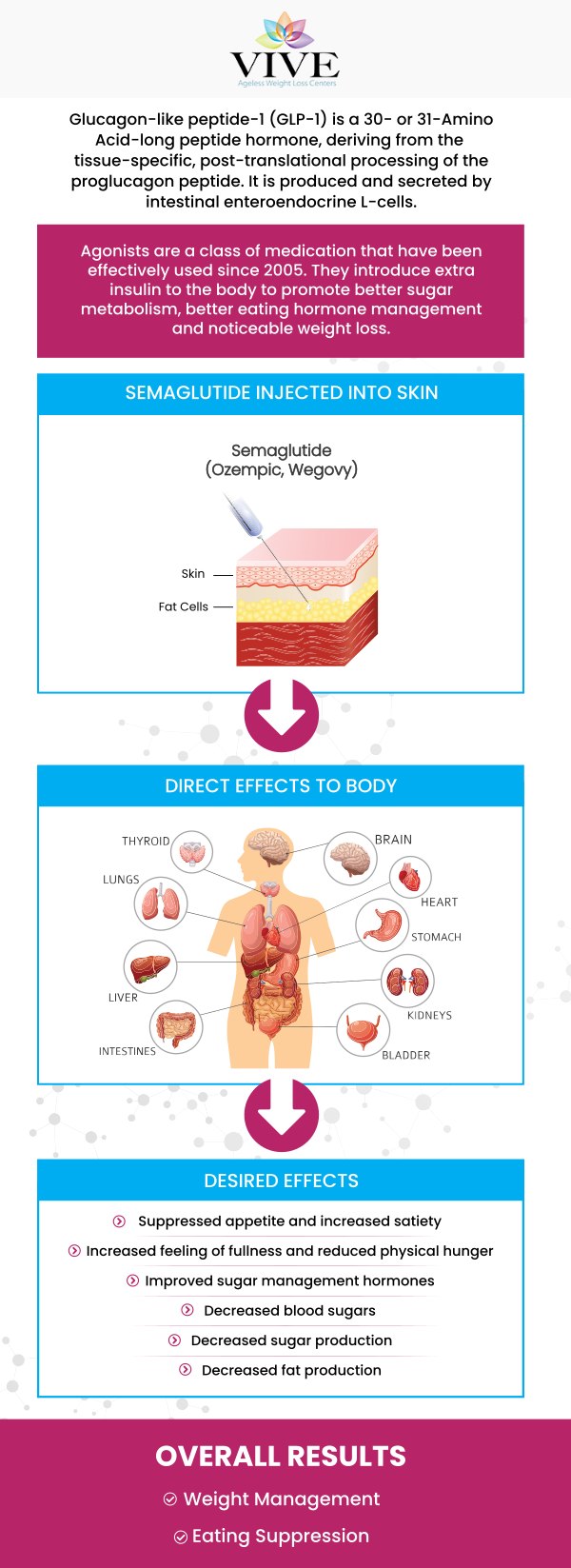
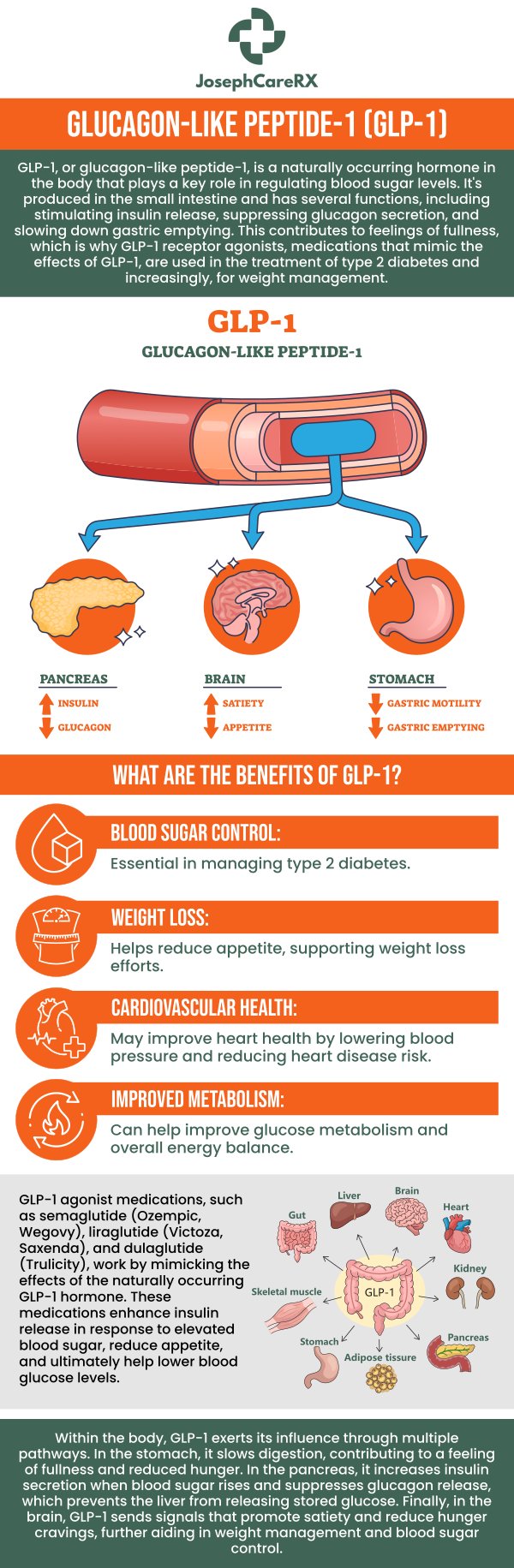
Reducing appetite: They can help reduce overall food intake, contributing to weight management
GLP-1/GIP + B12 works well alongside peptides, TRT/HRT, NAD+, and other metabolic support treatments