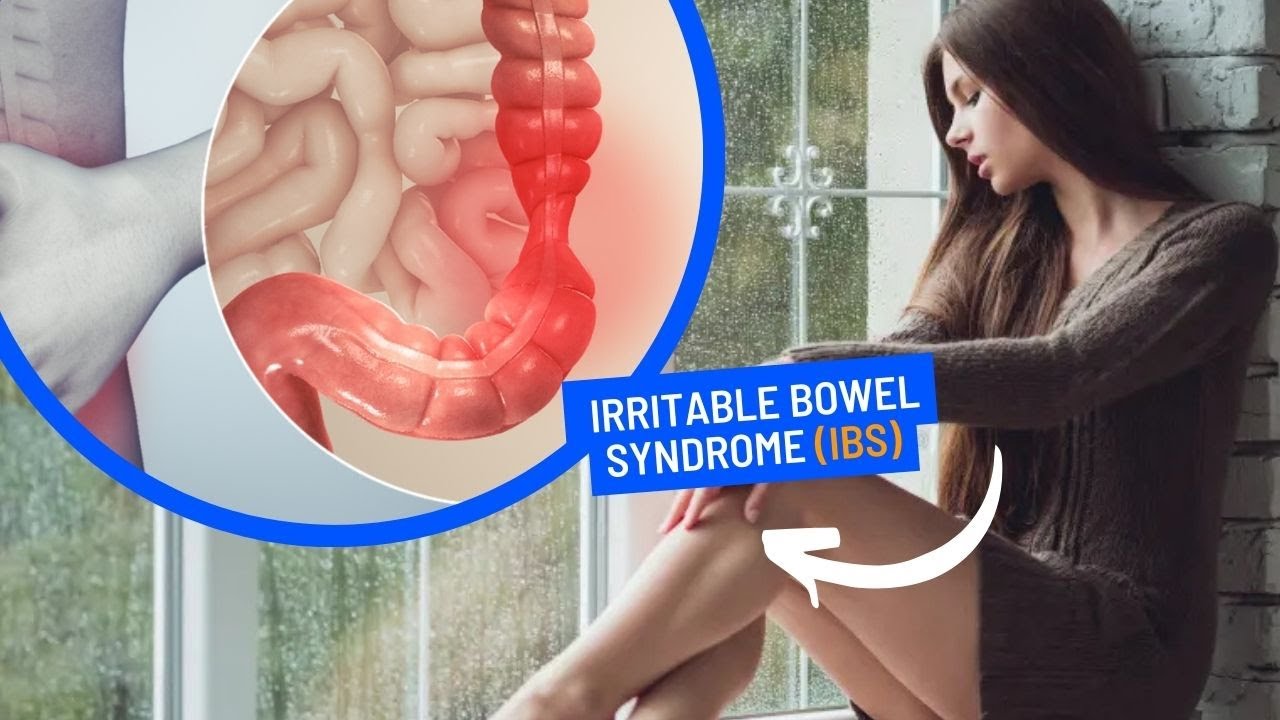
As a proof of the integrative healing evidence (rapid cytoprotective endothelium rescue that BPC 157 exerted may be useful against damaging chain of events during ischemia [two ligations] and during reperfusion [ligations removed]) appear normalized NO- and malondialdehyde (MDA)-values in colon tissues, oxidative stress markers
The process begins with a focused consultation (virtual or in person) to understand symptoms, medications, digestive factors, and any known risks for deficiency
it however achieves a much better tolerance profile, as the number of episodes of steatorrhea per subject in the orlistat group (4.11) was 2.5-fold greater than that in the Cetilistat-treated group
Mix & measure BPC-157 10 mg Pre-filled with this protocols recommended BAC water and documented starting dose edit any field to run your own numbers
Follow for more honest conversations around hormones and athletic health

Key mechanisms include: Angiogenesis Promotion : It up-regulates vascular endothelial growth factor (VEGF), enhancing blood vessel formation to improve nutrient delivery to damaged tissues.[6] Nitric Oxide (NO) Modulation : BPC-157 interacts with the NO system to support vasodilation and anti-thrombotic effects, aiding in wound healing and reducing inflammation.[7] Growth Hormone Receptor Enhancement : It increases expression of growth hormone receptors, facilitating cell proliferation and repair in muscles, tendons, and ligaments.[8] Cytoprotection and Anti-Inflammatory Effects : By protecting cells from toxins (e.g., alcohol, NSAIDs) and modulating inflammatory pathways, it maintains tissue integrity, particularly in the GI tract and central nervous system (CNS).[9] Neuroprotective Interactions : It influences dopamine and glutamate systems, potentially mitigating brain damage from trauma or ischemia.[10] These actions make BPC-157 a versatile agent in regenerative medicine, often compared to "Wolverine-like" healing in anecdotal reports from users