How These Peptides Work in Your Body Bpc-157: The Tendon and Gut Specialist Tb-500: Systemic Regeneration Powerhouse The Wolverine Stack: Combining Both Peptides Complete Dosing Protocols and Administration Reconstitution and Storage Guide What to Expect: Timeline of Results Best Uses for Each Peptide Safety Considerations and Side Effects Sourcing Quality Peptides in Canada Frequently Asked Questions Glossary of Terms References and Further Reading What Are Bpc-157 and Tb-500
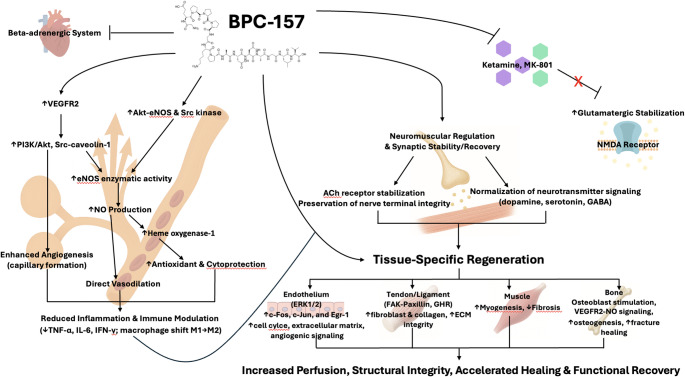
For neuroprotection protocols, standard dosing uses 0.25 to 0.5 mg daily via subcutaneous or oral administration
(For Research Purposes Only Not for Human Consumption) BPC-157 vs TB-500: Understanding Two Important Regenerative Research Peptides Within the rapidly growing field of peptide science, BPC-157 and TB-500 peptide have emerged as two of the most widely discussed compounds in regenerative research
Formation holds both SSRP certification and ISSCA certification, which are organizations that certify protocols for peptides, exosomes, and stem cells
How do I know if the peptides I buy online are actually what they claim to be

Lack of Combination Studies and Human Clinical Data The most significant limitation is the complete absence of controlled research on the combination itself: No peer-reviewed combination studies exist in any species or model No controlled experiments examining synergy, antagonism, or interaction effects All combination data derived from anecdotal clinical observations without controls No human clinical trials for either peptide individually or in combination Human safety profile completely unestablished for the combination Optimal dosing ratios and total doses unknown Long-term effects in any species unstudied for the combination Mechanistic Understanding Gaps Fundamental aspects of how these peptides might interact remain unclear: Receptor interactions between BPC-157 and TB-500 pathways uncharacterized Whether combined administration creates additive, synergistic, or antagonistic effects unknown Potential for competition at shared pathways (both affect angiogenesis) not investigated Pharmacokinetic interactions unexplored Metabolic interference possibilities unexamined Long-Term Safety Considerations Critical safety questions remain unanswered for both individual peptides and especially their combination: Chronic use effects beyond several weeks unstudied even in animals Potential for uncontrolled angiogenesis (cancer promotion) with dual pro-angiogenic peptides uninvestigated Combined effects on tumor growth or metastasis unknown Interaction potential with medications uncharacterized Reproductive and developmental toxicity inadequately studied for either peptide Long-term consequences of enhanced cellular migration capacity unexplored Regulatory & Competitive Sport Status FDA Position Neither BPC-157 nor TB-500 has received FDA approval for any indication, and their combination lacks regulatory recognition: Both peptides classified as unapproved drug substances Not recognized as GRAS (Generally Recognized as Safe) Not approved for human or veterinary use Not legally available for medical compounding in the United States FDA has issued warning letters to companies marketing BPC-157 for human use No established therapeutic use basis for either peptide or their combination The FDA has specifically stated that compounded drugs containing BPC-157 may cause immune system reactions, with insufficient data to assess human safety