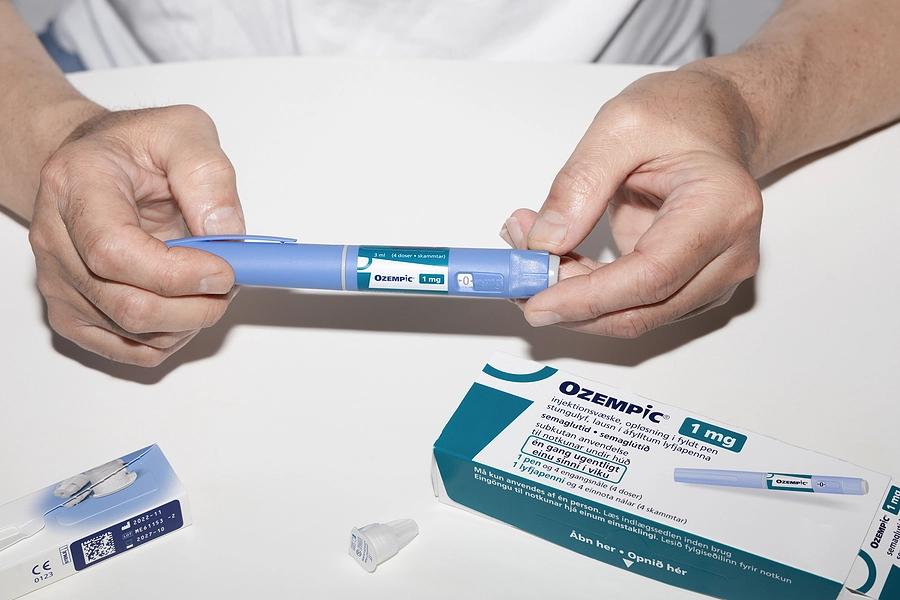
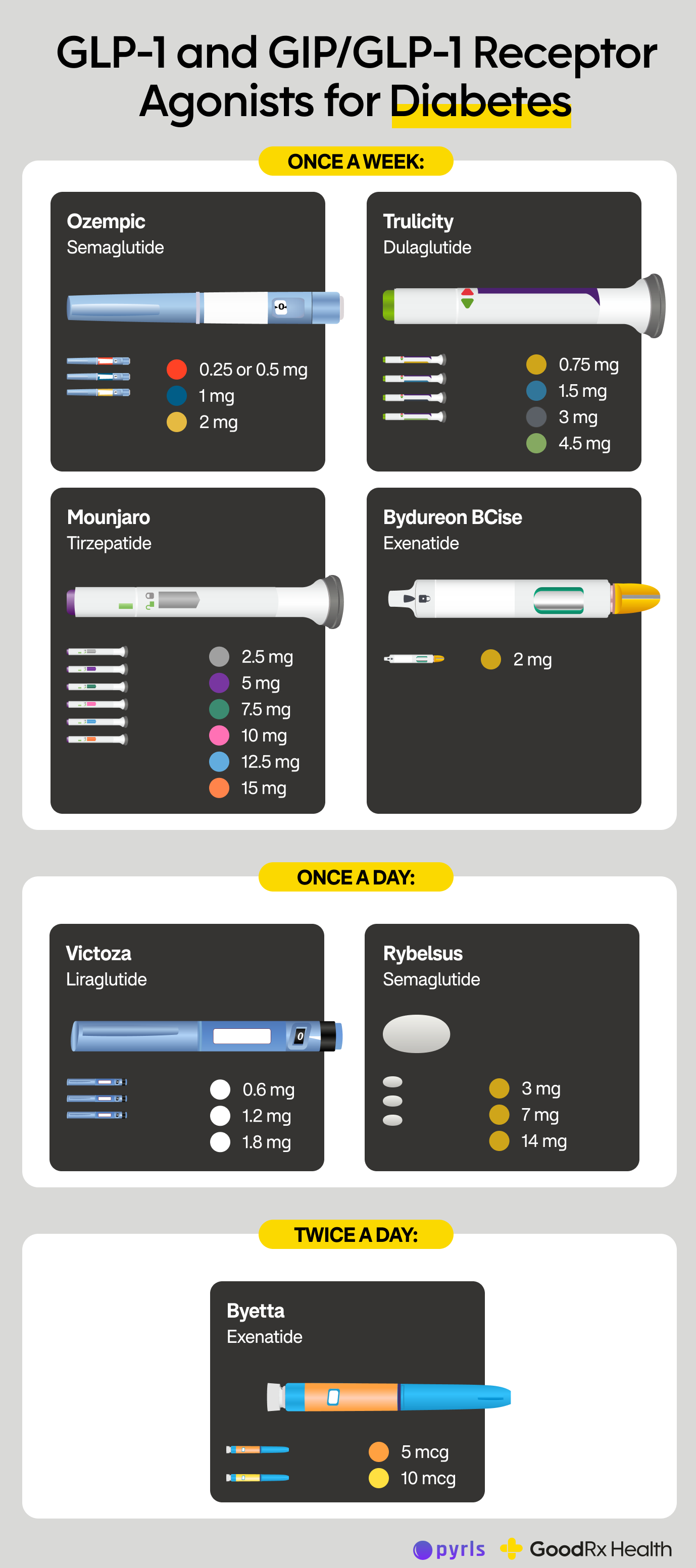
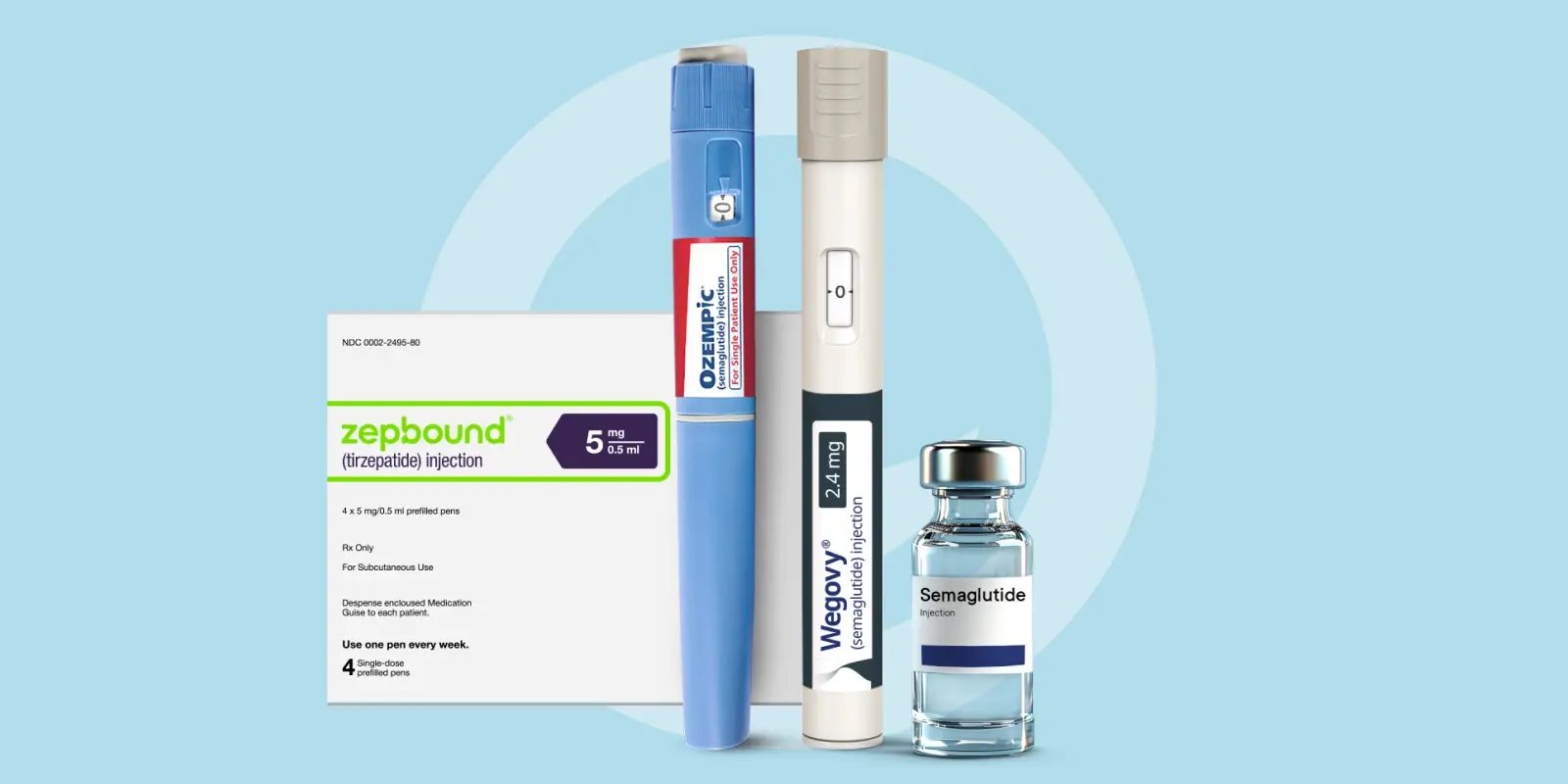
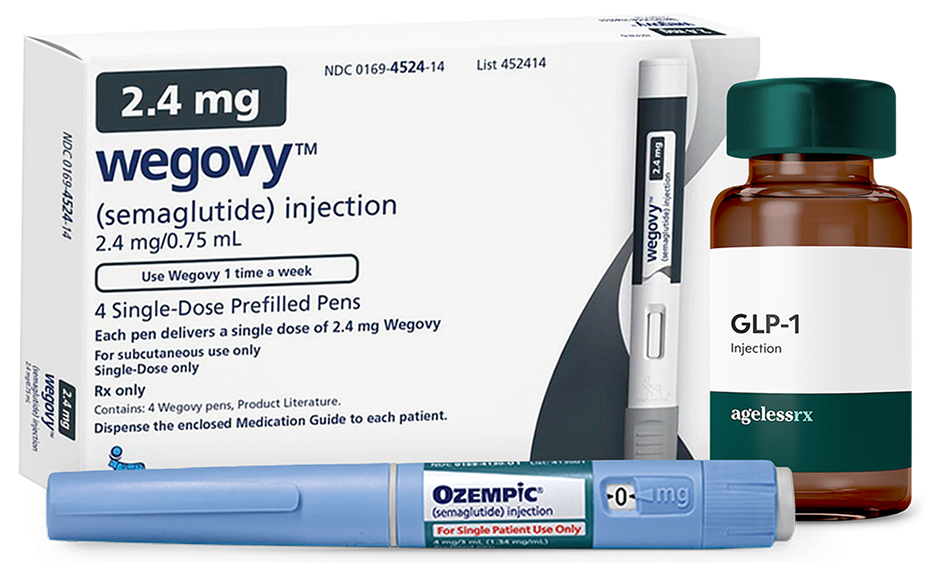
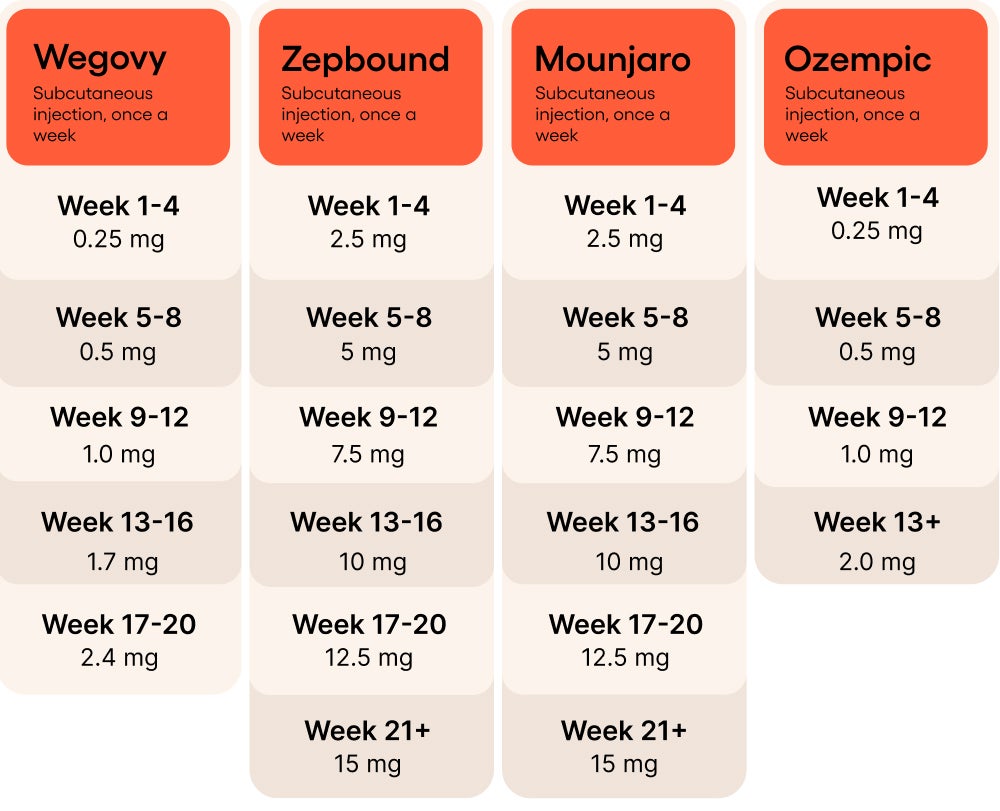
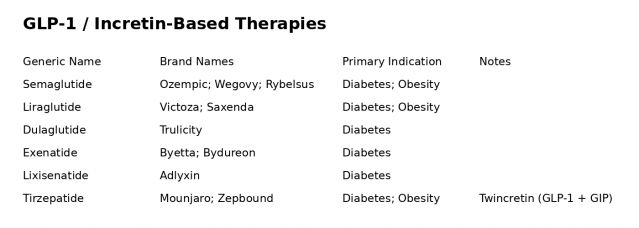
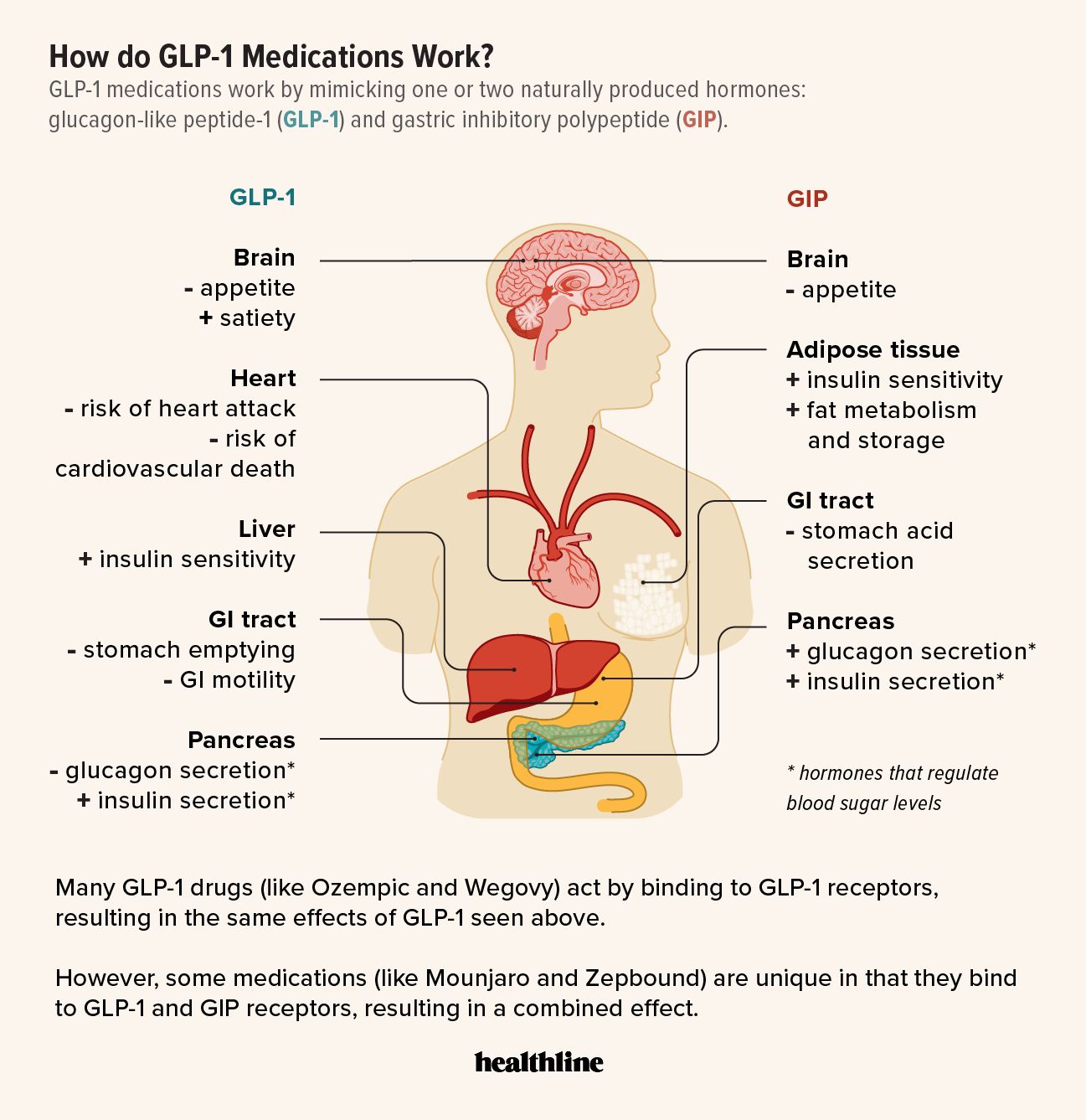
Manufacturer guidance and FIT UK injection technique recommendations emphasise the importance of proper technique for both efficacy and patient safety
Western blotting analysis with an irisin-specific antibody revealed no expression of FNDC5 protein (about 24 kD) in the FNDC5 knockout (KO) cells (Figure 3A)
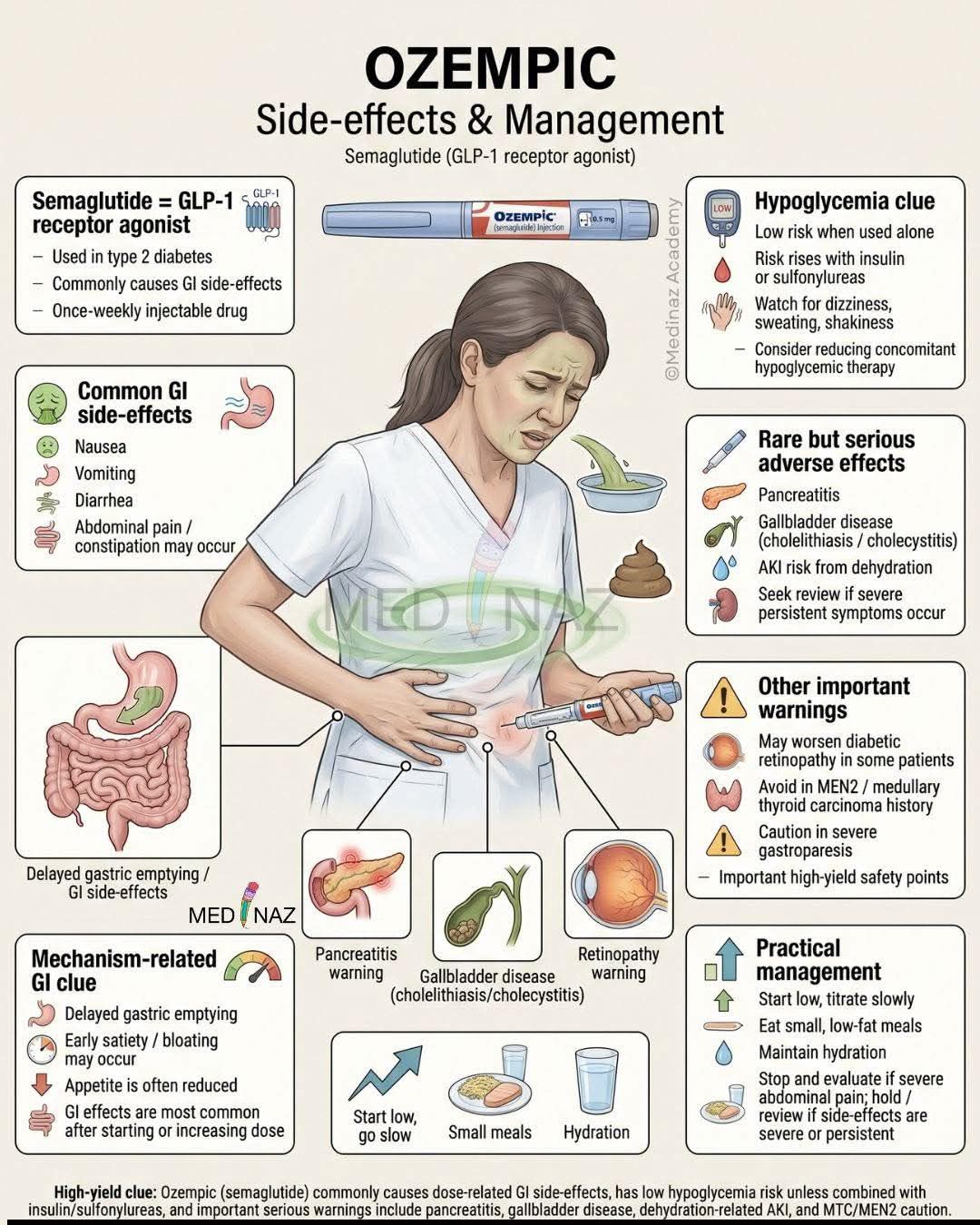
Common adverse effects of Ozempic, as documented in the UK SmPC, include: Gastrointestinal symptoms : nausea, vomiting, diarrhoea, constipation, abdominal pain (very common, affecting more than 1 in 10 patients) Decreased appetite (very common) Hypoglycaemia : when used in combination with insulin or sulphonylureas Gallbladder disorders : including cholelithiasis and cholecystitis Fatigue Injection site reactions : such as bruising or pain Whilst musculoskeletal pain is not formally listed, healthcare professionals should remain vigilant for patient reports and consider the broader context of treatment, including weight loss trajectory, nutritional status, and concurrent medical conditions
BPC-157 administration in intestinal resection models promoted adaptive mucosal hypertrophy increased villus height and crypt depth in the remaining bowel, suggesting it may act as an intestinal trophic factor in contexts requiring adaptation
PlexusDx patients can discuss preparation strategies with the medical team during the initial consultation to ensure comprehensive GI and metabolic readiness
Fat-dissolving injections are cosmetic procedures intended to reduce small deposits of fat in a particular area