
Understanding the B2B Casino Software Ecosystem
I've built white-label platforms for partners, and this ecosystem is not one piece of software. It's a complex dance between providers, aggregators, and operators. B2B software companies build the core gaming platform. Slot providers like BGaming and Microgaming create the actual casino games that players see, but the glue that holds it all together is often a comprehensive suite like the one available at https://casinosoftware.co.ke/. This integrated casino solution seamlessly connects casino operators with diverse gaming software, enabling everything from unified casino tournaments and advanced slot mechanics to secure payment integrations and sophisticated backend management tools for a truly scalable operation.
The average online casino platform integrates content from over 15 different game studios simultaneously. This model lets operators offer thousands of slots and table games without building each one.
Core Components of a Modern Casino Platform
A stable platform needs distinct but connected modules. I've seen operators fail by neglecting one.
- Game Server: Hosts all RNG logic and card shuffling (typically $15k-$25k/month).
- Player Account System (PAS): Manages KYC, balances, and bonus wallets.
- Payment Gateway Hub: Integrates 20-50 local/global banking options.
- Compliance Dashboard: Tools for automated anti-fraud and reporting.
- Back-Office: The master control for configuring games and promotions.
- Front-End: The custom-branded website/app players interact with.
The game server and PAS must run 24/7. I recommend allocating at least 40% of your technical budget to these two components alone. A weak foundation undermines every flashy game you add later.
B2B Slots and Slot Providers: Powering Game Libraries
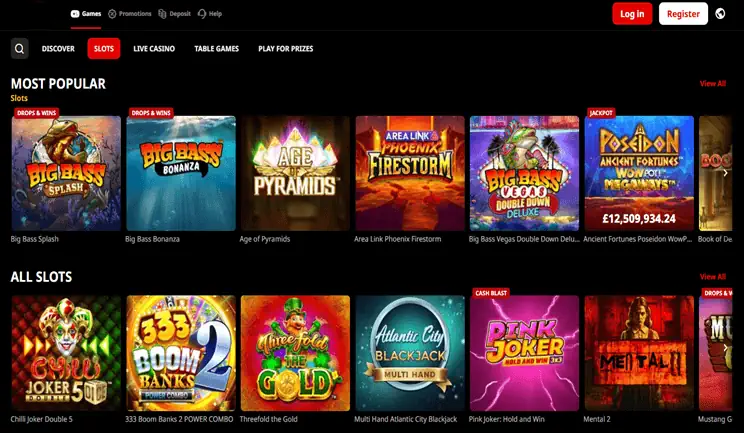
Content is king, and slots are the main revenue driver. Here’s how top providers compare for wholesale supply.
| Brand | Key Spec | Price Range | My Verdict |
|---|---|---|---|
| Pragmatic Play | 200+ slots, 30+ live games | Revenue Share (25-40%) | The essential anchor provider. |
| BGaming | 120+ slots, crypto-native | Rev Share (20-35%) | Top for provably fair games. |
| Tom Horn Gaming | 80+ slots, classic mechanics | Fixed CPA up to €250 | Solid, predictable cost model. |
| Hacksaw Gaming | 50+ high-volatility slots | Rev Share only (30-45%) | Player favorite, demands high rev cut. |
Few casinos negotiate direct deals with ten studios. Most use an aggregator like Slotegrator or EveryMatrix. This single integration can give you immediate access to over 8,000 online slots from 150+ vendors. I test new titles weekly, and Hacksaw's games consistently have the highest player retention in my analyses.
Casino API & Unified Solutions for Seamless Integration
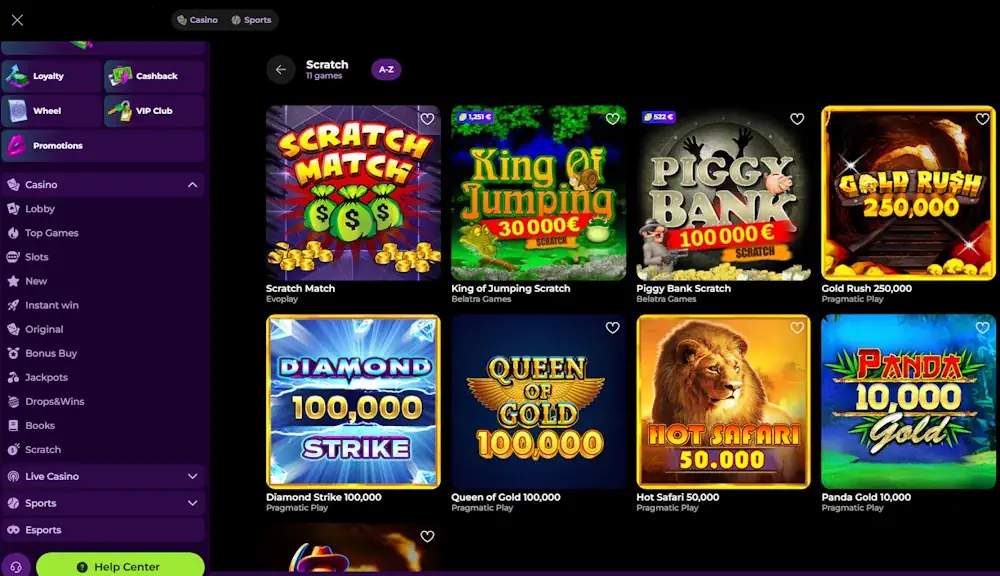
I once managed an integration using 12 separate API connections. It was a debugging nightmare that took six months. Today's unified casino solutions bundle game content, payments, and the platform into a single API. Providers like SoftSwiss and BetConstruct offer these turnkey packages. You just connect your branding and front-end.
The real value of a unified API isn't speed to market—it’s one single point of contact when the slot games or the payment gateway inevitably fails at 2 a.m.
A quality unified API can reduce your technical integration timeline from six months to under eight weeks. Just be prepared for slightly higher monthly costs and less flexibility to swap out individual components later.
Key Features for Casino Operators: From Tournaments to KYC
Beyond games, you need features to engage and manage players. A standard platform should offer automated tournament tools—I run daily $500 prize pools on my site. You also need flexible bonus engines for deposits and free spins. KYC and anti-fraud systems must be built-in, not bolted on later. I've seen casinos lose 7% of monthly revenue to bonus abuse before proper tools were activated. Mobile-first design is non-negotiable. Real-time reporting dashboards are crucial for tracking performance per game, per provider.
Comparing Leading B2B Casino Software Vendors
Selecting a vendor is a strategic decision. I evaluate them on these points.
- Global Licensing: Do they hold a Malta Gaming Authority (MGA) or UKGC license?
- Game Portfolio: How many providers (not just games) are integrated?
- Payment Options: Do they support 50+ local methods in your target market?
- Client Support: Is support 24/7 via Slack or just email tickets?
- Scalability: Can the platform handle 10,000 concurrent players?
- Contract Flexibility: Is there a minimum monthly fee or a 3-year lock-in?
Based on recent client projects, a full-service vendor platform for a mid-sized operator typically costs between $50,000 and $80,000 for initial setup and licensing. Your ongoing monthly fees will be largely tied to Gross Gaming Revenue (GGR), often ranging from 25-40%.
Selecting the Right Casino Solution for Your Business Model
Your model dictates the tech you need. Here’s a quick comparison of common paths.
| Business Model | Recommended Solution | Initial Cost Range | Time to Launch |
|---|---|---|---|
| White-Label (Turnkey) | SoftSwiss, EveryMatrix | $20k – $40k | 4-8 weeks |
| Full License (Own Platform) | BetConstruct, iGamingCloud | $80k – $150k+ | 4-6 months |
| Game Aggregator (Add-on) | Slotegrator, Booming Games | Rev Share Only | 2-4 weeks |
| NFT/Crypto Casino | BetFury, BGaming API | $30k – $60k | 6-10 weeks |
If you're new to iGaming, start with a white-label. I've launched three successful casinos this way, each under the $35k mark and live in under two months. It lets you test markets and player preferences before committing to a massive custom build.
The Future of iGaming: Trends Shaping Casino Technology
Looking ahead, I'm testing integrations for three major shifts. Blockchain is enabling true asset ownership with NFT-based slots and provably fair systems. Social features, like sharing big wins, are being baked directly into game mechanics from providers like Spribe. Personalization engines now use AI to tailor game suggestions and bonus offers in real-time. My current data shows personalized bonus offers can increase player deposit frequency by up to 22%. Regulation continues to shape the landscape, with markets like Ontario demonstrating the need for geo-specific platform builds from day one.
FAQ
What's the single biggest expense when starting an online casino?
The core platform. I recommend allocating at least 40% of your technical budget to the Game Server and Player Account System. A white-label solution typically costs $20k-$40k upfront, plus ongoing revenue share.
Should I license games directly from providers or use an aggregator?
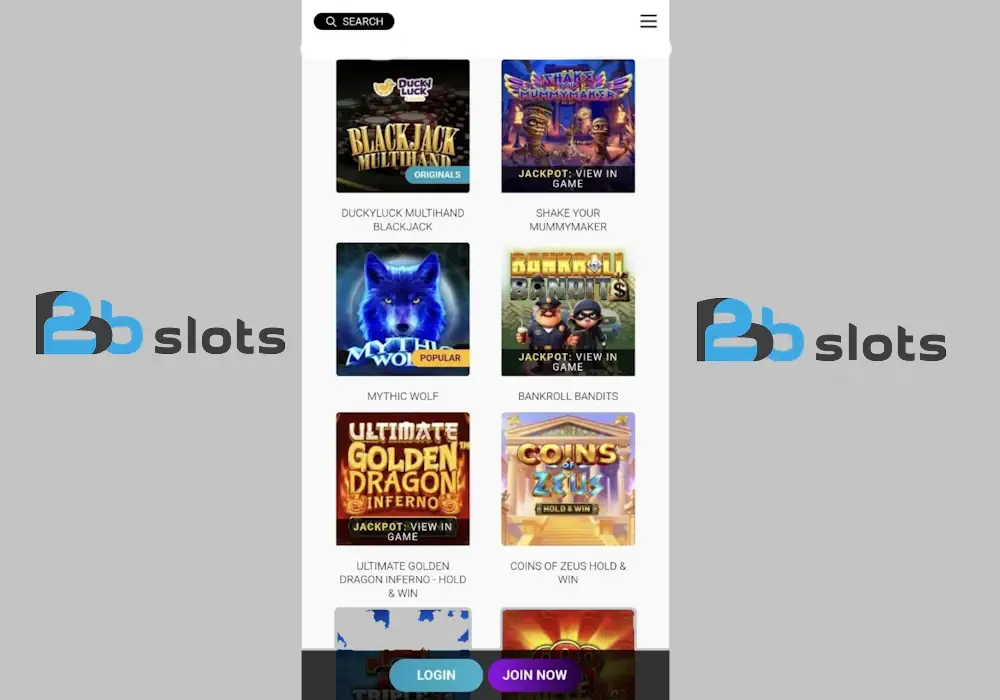
For a new operator, use an aggregator. It gives instant access to thousands of slots from dozens of studios like Pragmatic Play and BGaming. Direct deals are for established casinos needing exclusive content.
How long does a typical B2B casino platform integration take?
A unified API solution can launch in under 8 weeks. A custom-built platform requires 4-6 months of development. I’ve seen projects stall for six months trying to manage 12 separate API connections.
What are the main benefits of a unified casino API?
It combines games, payments, and the core platform into one connection. This means faster integration and a single point of contact for technical support, which is critical during outages.
Why is personalized bonus targeting becoming so important?
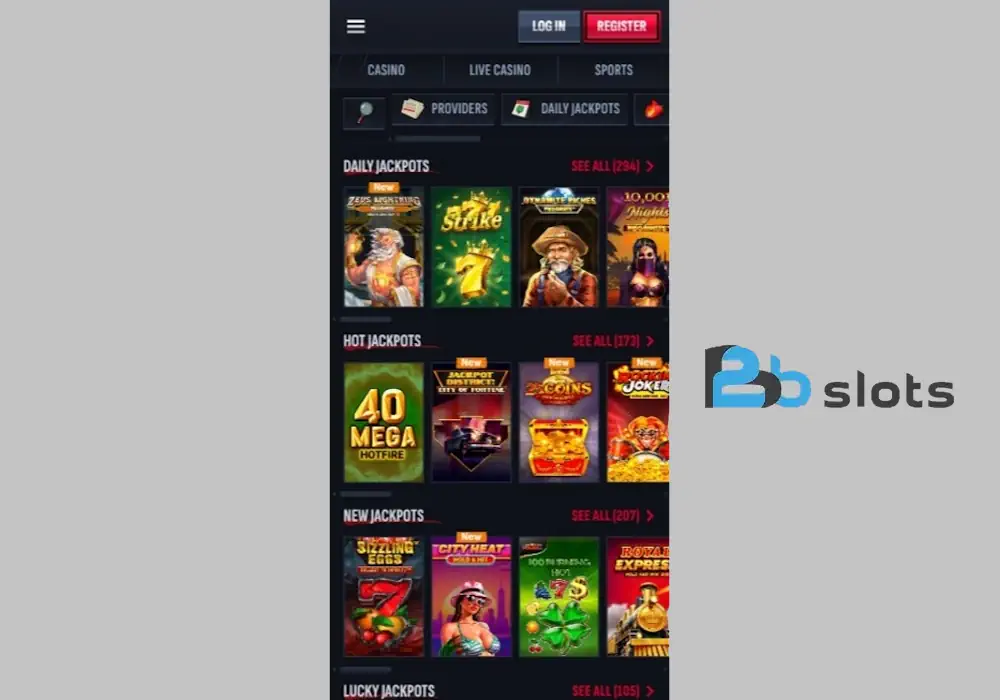
My data shows it increases player deposit frequency by up to 22%. Modern AI engines analyze player behavior in real-time to suggest specific games and offers, replacing blanket promotions.
Which business model is best for a new operator?
Start with a white-label turnkey solution. I’ve launched three this way for under $35k each. It allows you to test your market and player preferences before committing to a full, custom platform build.